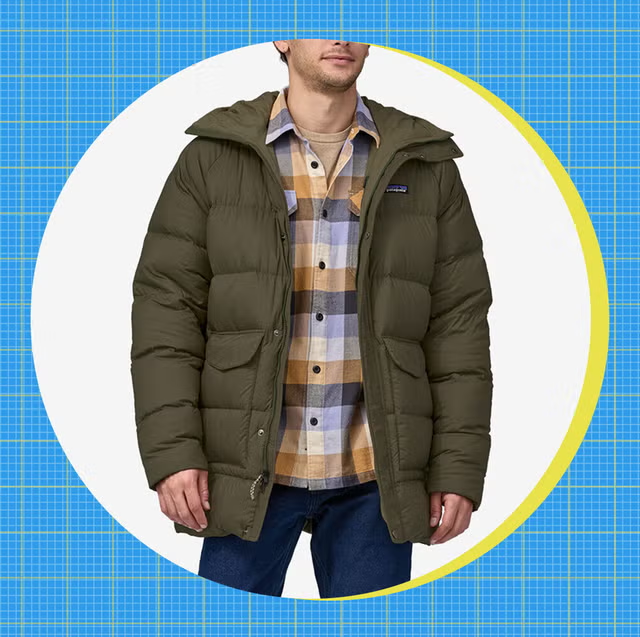
When temperatures drop below freezing, having the right parka can make all the difference. A high-quality parka is designed to provide exceptional warmth, protect against harsh weather, and keep you comfortable during winter adventures. Whether you’re commuting to work, hiking through snowy trails, or simply enjoying outdoor activities, choosing the right parka ensures maximum comfort and protection.
This guide explains everything you need to know about selecting the best parka for cold weather, including key features, insulation types, materials, and expert tips to help you make the right decision.
What Is a Parka?
A parka is a long, insulated winter coat designed to provide superior warmth in cold climates. Unlike regular winter jackets, a parka usually extends below the waist or to the thighs, offering extra coverage against freezing temperatures, wind, and snow.
Originally developed for Arctic conditions, modern parka designs combine advanced insulation technologies with stylish appearances, making them suitable for everyday wear as well as extreme outdoor environments.
Why Choose a Parka for Cold Weather?
A parka is specifically built to handle harsh winter conditions. Here are some of the biggest advantages:
- Excellent insulation against freezing temperatures
- Windproof construction
- Water-resistant or waterproof exterior
- Extended length for additional protection
- Comfortable hood with adjustable features
- Multiple pockets for storage and hand warmth
Because of these features, a parka is one of the most reliable winter outerwear options available.
Types of Parka Insulation
Choosing the right insulation is one of the most important decisions when buying a parka.
Down Insulation
Down insulation is made from duck or goose feathers and is known for its outstanding warmth-to-weight ratio.
Benefits include:
- Extremely warm
- Lightweight
- Compressible for travel
- Long-lasting with proper care
However, traditional down can lose insulation when wet unless treated with water-resistant technology.
Synthetic Insulation
Synthetic insulation is made from polyester fibers that mimic natural down.
Advantages include:
- Performs well in wet conditions
- More affordable
- Easier maintenance
- Quick drying
Synthetic-insulated parka models are an excellent choice for rainy, snowy, or humid climates.
Understanding Temperature Ratings
Many manufacturers provide temperature ratings for each parka. These ratings help estimate how warm the coat will be.
Generally:
- Mild Winter: 30°F to 20°F (-1°C to -6°C)
- Cold Winter: 20°F to 0°F (-6°C to -18°C)
- Extreme Winter: Below 0°F (-18°C)
Keep in mind that personal comfort, activity level, wind chill, and layering all influence warmth.
Essential Features to Look for in a Parka
Not every parka offers the same level of protection. Before purchasing, check for these important features.
Waterproof or Water-Resistant Shell
Snow eventually melts. A water-resistant shell keeps moisture away from the insulation and helps maintain warmth.
Materials like Gore-Tex or other waterproof membranes provide excellent weather protection.
Windproof Construction
Strong winter winds can dramatically increase heat loss.
Look for:
- Windproof outer fabric
- Storm flaps
- Adjustable cuffs
- High collars
These features prevent cold air from entering the parka.
Adjustable Hood
A quality hood protects your face and head from snow, rain, and wind.
Some premium parka models include:
- Faux fur trim
- Adjustable drawcords
- Helmet compatibility
- Detachable hoods
These options increase versatility in different weather conditions.
Longer Length
One of the defining characteristics of a parka is its longer design.
A thigh-length or knee-length parka protects:
- Lower back
- Hips
- Upper legs
This additional coverage significantly improves warmth during extremely cold weather.
Choosing the Right Fit
A parka should fit comfortably without restricting movement.
Avoid buying one that is:
- Too tight to wear layers underneath
- Too loose, allowing heat to escape
When trying on a parka, wear the same type of clothing you normally use during winter.
You should comfortably move your arms, zip the coat fully, and sit down without discomfort.
Best Materials for Maximum Protection
The exterior fabric plays a huge role in durability and weather resistance.
Popular materials include:
Nylon
- Lightweight
- Strong
- Water-resistant
- Durable
Polyester
- Affordable
- Quick drying
- Wrinkle resistant
- Good insulation support
Gore-Tex
Premium parka models often feature Gore-Tex, offering:
- Waterproof protection
- Excellent breathability
- Windproof performance
Features That Improve Everyday Comfort
Modern parka designs include practical features beyond insulation.
Useful additions include:
- Fleece-lined pockets
- Two-way front zipper
- Interior storage pockets
- Adjustable waist
- Adjustable cuffs
- Chin guard
- Ventilation zippers
These details make everyday winter wear much more comfortable.
How to Layer Under a Parka
Even the warmest parka performs better with proper layering.
Base Layer
Use moisture-wicking materials like:
- Merino wool
- Synthetic fabrics
Avoid cotton because it retains moisture.
Mid Layer
A fleece jacket or lightweight insulated jacket traps additional warmth.
Outer Layer
Your parka becomes the protective barrier against wind, snow, and rain.
Layering allows you to adapt to changing temperatures without overheating.
Common Mistakes When Buying a Parka
Many people choose a parka based only on appearance.
Avoid these common mistakes:
- Ignoring insulation type
- Buying the wrong size
- Choosing style over warmth
- Overlooking waterproof features
- Not checking zipper quality
- Ignoring hood functionality
- Purchasing without considering your climate
A little research can help you find a parka that lasts for many winters.
Caring for Your Parka
Proper maintenance extends the life of your parka.
Follow these care tips:
- Read the care label before washing.
- Use gentle detergents.
- Wash down insulation carefully.
- Avoid excessive heat during drying.
- Store your parka in a dry place.
- Never compress it for long periods.
Regular cleaning helps maintain insulation performance and appearance.
Is an Expensive Parka Worth It?
Premium parka models often cost more because they use better materials, advanced insulation, stronger stitching, and higher-quality waterproof technologies.
While budget options work well for moderate winters, investing in a high-quality parka can provide better durability, comfort, and warmth over many years, making it a worthwhile purchase for people living in colder climates.
Final Thoughts
Choosing the best parka for cold weather involves more than simply picking a stylish winter coat. The right parka should offer reliable insulation, weather resistance, proper fit, and practical features that keep you warm in challenging conditions. By understanding insulation types, shell materials, temperature ratings, and layering techniques, you can confidently select a parka that delivers maximum warmth and protection throughout the winter season.
Whether you’re facing icy city streets or exploring snowy landscapes, a well-designed parka remains one of the smartest investments for staying comfortable, protected, and ready for whatever winter brings.