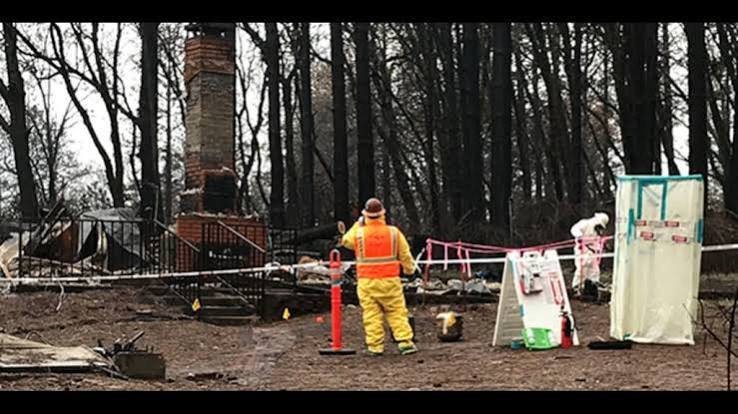
Disasters can happen unexpectedly, leaving homes, commercial buildings, and other properties with significant damage. Whether the problem involves flooding, fire, severe storms, sewage backups, or hazardous disaster cleanup service contamination, the aftermath can be stressful and difficult to manage. Restoring a property requires careful planning, appropriate equipment, and professional expertise to ensure that affected areas are safe and suitable for use again. Choosing the best disaster cleanup service is therefore an important step toward efficient recovery and reliable property restoration.
A qualified cleanup team can help property owners assess damage, remove affected materials, address potential safety concerns, and organize the restoration process. Understanding what to look for in a professional service makes it easier to select a provider that meets the property’s specific needs.
Understanding the Importance of Professional Disaster Cleanup
Disaster cleanup involves more than removing visible debris or cleaning damaged surfaces. Many incidents create hidden problems that may continue to affect a building long after the initial event. Water can seep behind walls, smoke residue can remain on surfaces, and contaminated materials may present health and safety concerns.
Professional disaster cleanup services use appropriate methods to evaluate these issues and determine the necessary steps for recovery. Their work may include water extraction, debris removal, drying, odor control, cleaning, and coordination with restoration specialists.
Attempting to handle extensive damage without the right knowledge or equipment can lead to incomplete cleanup and additional repair costs. Professional assistance helps property owners address immediate concerns while establishing a practical plan for restoring the affected space.
Identify the Type of Disaster and Required Services
Before selecting a disaster cleanup company, property owners should identify the type and extent of damage whenever possible. Different emergencies require different approaches, and not every provider offers the same range of services.
Water and Flood Damage Restoration
Flooding, leaking pipes, roof damage, and appliance failures can introduce moisture into floors, walls, ceilings, and furniture. If moisture remains trapped inside building materials, mold may develop under suitable conditions.
A professional water damage cleanup team can assess affected areas, remove standing water, establish appropriate drying procedures, and monitor moisture levels. Prompt action helps reduce the likelihood of further deterioration and supports a more effective restoration process.
Fire and Smoke Damage Cleanup
Fire can affect a property through flames, heat, soot, and smoke. Even rooms that appear relatively unaffected may contain smoke odors or residue that require specialized attention.
A qualified fire cleanup provider can evaluate damaged materials, remove debris, clean suitable surfaces, and recommend repairs or replacement where necessary. Proper assessment helps determine which items can be restored and which may require additional work.
Storm and Structural Damage
Severe weather can damage roofs, windows, exterior walls, and other parts of a building. Water intrusion and exposed structural areas may create additional risks after the storm has passed.
Disaster cleanup professionals can help remove debris, document visible damage, and coordinate appropriate protective measures and restoration work. Structural concerns should be evaluated by qualified professionals before damaged areas are occupied or repaired.
Biohazard and Sewage Cleanup
Some disasters involve sewage, biological contamination, or other potentially hazardous materials. These situations require specialized training, suitable protective equipment, and appropriate waste-handling procedures.
When evaluating a disaster cleanup service, confirm that the company is qualified to handle the specific contamination involved. Ordinary household cleaning methods may not be appropriate for these circumstances.
Check Experience, Qualifications, and Professional Standards
Experience is an important factor when choosing a disaster cleanup provider. Companies that regularly handle emergency restoration are more likely to understand the challenges associated with different types of property damage.
However, experience alone should not determine the final decision. Property owners should also ask about relevant training, certifications, insurance coverage, and compliance with applicable safety requirements.
Depending on the work involved, useful qualifications may relate to water damage restoration, fire and smoke cleanup, mold remediation, or hazardous-material handling. Ask whether the team members performing the work have the appropriate training for the specific situation.
It is also sensible to confirm that the company carries suitable liability insurance and follows recognized industry practices. These checks help establish confidence that the provider can carry out the work responsibly.
Evaluate Response Time and Availability
After a disaster, delays can allow damage to become more extensive. Water may continue spreading, damaged roofs may expose interiors to rain, and unsecured openings can leave a building vulnerable to further problems.
For this reason, response time should be an important consideration when comparing disaster cleanup services. Ask whether the company provides emergency assistance, how quickly it can conduct an initial assessment, and whether its team is available outside standard business hours.
A reliable provider should communicate realistic arrival times and explain what immediate actions are appropriate. Be cautious of companies that promise instant results without understanding the nature or severity of the damage.
Although fast assistance matters, it should never come at the expense of safety. The cleanup team must assess hazards before beginning work and recommend appropriate precautions.
Compare Service Scope and Pricing
Cost is another important consideration when selecting a disaster cleanup company. However, the lowest estimate does not always represent the best value. An incomplete cleanup may result in additional repairs, recurring moisture problems, or unexpected expenses later.
Request written estimates from qualified providers when circumstances permit. Each estimate should explain the proposed work, expected labor, equipment requirements, materials, and any additional services that may be necessary.
It is also important to understand what the quoted price excludes. Structural repairs, replacement materials, specialized testing, and disposal fees may be handled separately.
A trustworthy company should explain its pricing clearly and identify circumstances that could change the original estimate. Property owners should review contracts carefully and avoid signing documents they do not understand.
If an insurance claim is involved, keep photographs, receipts, estimates, and other relevant records. Contact the insurer to understand documentation requirements and confirm which expenses may be covered under the policy.
Read Customer Reviews and Verify Reputation
Customer feedback can provide useful information about a disaster cleanup company’s reliability, communication, and quality of service. Online reviews may reveal whether previous customers experienced clear communication, reasonable scheduling, and professional handling of unexpected problems.
Look for consistent patterns rather than relying on a single positive or negative comment. Pay attention to how the company responds to complaints and whether customers mention unresolved concerns.
Where possible, request references from previous clients who had similar restoration needs. You can also check relevant business registrations, professional credentials, and complaint records through appropriate local organizations.
A reputable provider should be willing to answer reasonable questions about its work history, service procedures, and responsibilities.
Ask About Equipment and Restoration Methods
Modern equipment can make a significant difference in the effectiveness of disaster cleanup. Depending on the situation, professionals may use commercial water extraction systems, air movers, dehumidifiers, moisture meters, HEPA-filtered equipment, or specialized cleaning tools.
The appropriate equipment depends on the type of damage, the affected materials, and the conditions inside the building. Simply bringing advanced machinery to a property does not guarantee a successful outcome; the team must know how to use it correctly.
Ask the provider how it will assess the damage, monitor progress, and determine when the cleanup stage is complete. For water-related incidents, for example, moisture measurements can help establish whether affected materials have dried sufficiently.
Clear explanations of the proposed methods indicate that the company has considered the property’s specific restoration requirements.
Prioritize Communication and Customer Support
Disaster recovery can be emotionally and financially challenging. Property owners often need regular updates, realistic timelines, and clear explanations of what happens next.
A dependable disaster cleanup service should appoint a clear point of contact and explain each major stage of the project. This includes the initial assessment, cleanup activities, potential complications, and any additional repairs that may be required.
Good communication also means discussing unexpected findings promptly rather than allowing costs or delays to accumulate without explanation.
Before hiring a company, consider how effectively its representatives answer questions. Professional, respectful communication can make the restoration process easier to manage and help prevent misunderstandings.
Avoid Common Mistakes When Hiring a Cleanup Company
Several common mistakes can complicate property recovery. Choosing a provider based entirely on price may result in limited services or inadequate cleanup. Failing to verify qualifications can create safety concerns, particularly when hazardous contamination is involved.
Property owners should also avoid making assumptions about the extent of damage based only on what is visible. Hidden moisture, smoke residue, and structural issues may require further evaluation.
Another important mistake is delaying professional assistance while waiting for every administrative detail to be resolved. If the property presents an immediate hazard, prioritize safety, contact emergency services when necessary, and arrange qualified assistance as soon as practical.
Finally, avoid providers that pressure customers into signing contracts immediately or refuse to explain their estimates. A professional company should provide clear information and allow reasonable time for reviewing non-emergency decisions.
Conclusion
Choosing the best disaster cleanup service is a crucial part of restoring a damaged property efficiently and responsibly. By evaluating experience, qualifications, emergency availability, pricing, equipment, customer feedback, and communication practices, property owners can make a more informed decision.
The right provider will assess the situation carefully, explain the recommended procedures, and coordinate appropriate cleanup and restoration work. Whether a property has experienced flooding, fire damage, severe weather, or hazardous contamination, professional support can help reduce further damage and establish a clearer path toward recovery.
Ultimately, reliable disaster cleanup depends on more than speed or cost. It requires competent professionals, appropriate safety measures, transparent communication, and a restoration plan tailored to the property’s needs. Taking time to evaluate these factors can help homeowners and businesses protect their properties and move forward with greater confidence after an unexpected disaster.