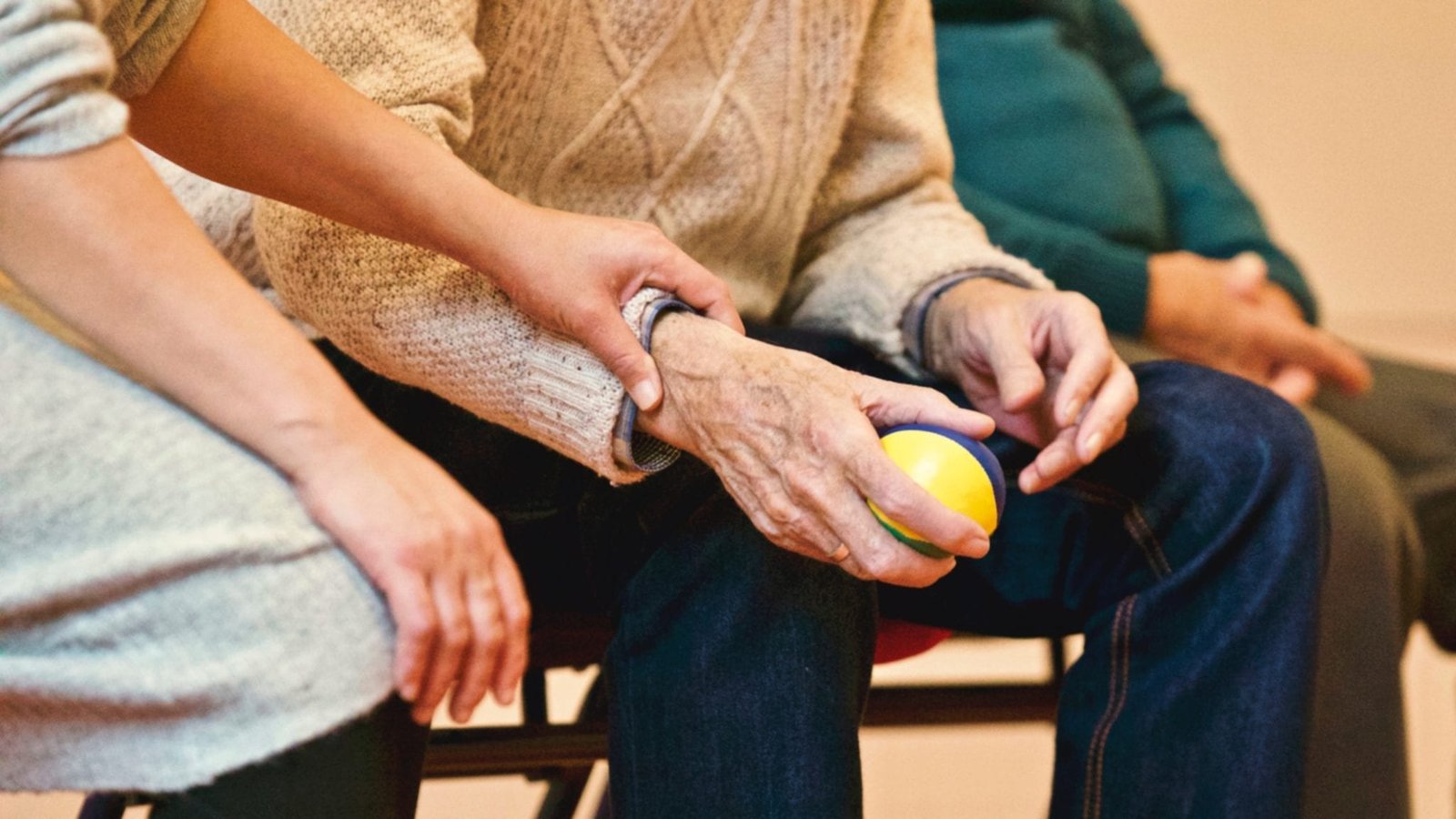
Personal development is a lifelong journey that involves building confidence, learning new skills, discovering individual strengths, and developing the ability to make independent decisions. For individuals who require additional support, caregivers play an essential role in making this journey meaningful and achievable. Their encouragement, patience, understanding, and commitment can create opportunities for people to grow beyond their perceived limitations. By focusing on individual abilities rather than challenges, caregivers help build stronger, more confident individuals who can participate actively in their communities.
The importance of supportive caregiving extends beyond meeting everyday needs. It involves creating an environment where individuals feel respected, valued, and motivated to pursue their personal goals. The approach associated with Mobina Ali highlights the value of compassion, empowerment, and meaningful support in encouraging personal development and independence.
Understanding the Importance of Personal Development
Personal development means helping individuals recognize their potential and gradually gain the skills needed to manage different aspects of their lives. It can include learning household responsibilities, improving communication, developing social relationships, managing emotions, and making personal choices.
For individuals with special needs or additional support requirements, these achievements may involve different timelines and approaches. Every person has unique abilities, interests, and learning preferences. Effective caregivers understand these differences and develop support strategies that reflect individual circumstances.
Rather than expecting everyone to follow the same path, caregivers should establish realistic goals that encourage gradual progress. Even small achievements, such as preparing a simple meal, choosing appropriate clothing, or communicating a personal preference, can strengthen confidence and create motivation for further growth.
Building Trust Through Compassionate Caregiving
Trust is the foundation of a successful caregiver relationship. Individuals are more likely to explore new opportunities when they feel safe, understood, and supported. Caregivers can establish this trust by listening carefully, respecting personal boundaries, and responding with patience.
Compassionate caregiving involves recognizing that every individual experiences the world differently. Some people may need additional time to understand instructions, communicate their thoughts, or adjust to unfamiliar situations. Providing encouragement instead of criticism helps reduce anxiety and creates a positive learning environment.
Mobina Ali represents an approach to caregiving that emphasizes the importance of understanding people as individuals rather than defining them by their support requirements. When caregivers demonstrate genuine interest in someone’s preferences, feelings, and ambitions, they create stronger relationships that encourage personal progress.
Encouraging Independence Through Everyday Activities
Independence develops through consistent opportunities to practice everyday skills. Caregivers can make daily routines valuable learning experiences by involving individuals in activities that match their abilities.
Simple responsibilities can provide meaningful opportunities for personal growth. These may include organizing personal belongings, preparing snacks, completing basic household tasks, selecting daily activities, or maintaining a personal schedule.
The goal is not to remove assistance immediately but to provide the appropriate level of support. Caregivers can demonstrate a task, offer guidance, and gradually reduce their involvement as confidence improves.
Allowing individuals to attempt activities independently is equally important. Mistakes should be treated as natural learning experiences rather than reasons to discourage further attempts. This approach helps individuals understand that progress comes through practice, persistence, and experience.
Recognizing Individual Strengths and Abilities
Every individual has strengths that deserve recognition. Some people may demonstrate excellent creativity, while others may have strong communication skills, practical abilities, musical interests, or problem-solving talents.
Caregivers who identify these strengths can create opportunities that encourage individuals to use and develop them. For example, someone who enjoys art might benefit from participating in creative workshops, while an individual interested in technology could explore suitable digital learning activities.
Recognizing personal strengths also improves self-esteem. When people receive positive feedback for their efforts, they become more confident about exploring unfamiliar experiences.
A strength-based approach shifts attention away from limitations and toward possibilities. It encourages caregivers to ask what individuals can achieve with suitable guidance, accessible resources, and consistent encouragement.
The Role of Communication in Personal Growth
Communication is essential for building relationships, expressing preferences, and participating in everyday decisions. Caregivers can support communication development by creating opportunities for meaningful conversations and encouraging individuals to share their thoughts.
Not everyone communicates in the same way. Some individuals may use spoken language, while others rely on gestures, visual supports, communication devices, or alternative methods.
Respecting different communication styles ensures that everyone has an opportunity to express themselves. Caregivers should listen attentively, allow sufficient response time, and avoid making decisions without considering the individual’s preferences.
Effective communication also helps caregivers understand personal concerns, identify areas where additional assistance is needed, and celebrate achievements.
Creating Opportunities for Social Connection
Personal development is closely connected to social experiences. Friendships, group activities, and community participation help individuals develop communication skills, emotional understanding, and a sense of belonging.
Caregivers can encourage social connections by introducing individuals to accessible community programs, recreational activities, educational opportunities, and local events.
Participating in group activities allows individuals to practice cooperation, share interests, and develop relationships outside their immediate support networks. These experiences can also reduce social isolation and improve emotional well-being.
Community inclusion should involve genuine participation rather than simply being physically present. Individuals should have opportunities to contribute ideas, make decisions, and take meaningful roles in activities.
Supporting Emotional Confidence and Resilience
Personal growth often involves facing unfamiliar situations, overcoming challenges, and managing disappointment. Caregivers can help individuals develop emotional resilience by providing reassurance and teaching practical coping strategies.
For example, breaking difficult activities into smaller steps can make challenges feel more manageable. Encouraging positive self-talk, recognizing progress, and discussing emotions can also strengthen emotional awareness.
Caregivers should understand that confidence develops gradually. Some individuals may need repeated encouragement before attempting a new activity, while others may become comfortable more quickly.
Patience is particularly important when progress appears slow. Maintaining realistic expectations and celebrating small achievements helps individuals remain motivated without feeling pressured.
Working Together to Establish Meaningful Goals
Personal development becomes more effective when caregivers and individuals work together to establish meaningful goals. These goals should reflect personal interests, abilities, and aspirations rather than being based entirely on someone else’s expectations.
A useful approach involves identifying an area for improvement, establishing achievable steps, and regularly reviewing progress. For example, an individual who wants to become more independent in preparing meals might begin by selecting ingredients, then learn basic preparation skills, and eventually complete a simple recipe with appropriate supervision.
Family members, caregivers, educators, and support professionals can collaborate to maintain consistency. Sharing observations and discussing successful strategies helps create a coordinated support system.
The principles reflected in Mobina Ali’s approach emphasize that meaningful development is strengthened through collaboration, encouragement, and respect for individual choices.
Promoting Inclusion Through Community Participation
Inclusive communities provide opportunities for everyone to learn, contribute, and build meaningful relationships. Caregivers can support inclusion by helping individuals access public facilities, educational programs, recreational spaces, and community services.
However, inclusion also requires communities to recognize and accommodate different needs. Accessible environments, respectful attitudes, flexible activities, and appropriate communication support can make participation more meaningful.
When individuals are welcomed and encouraged to contribute, they gain opportunities to develop confidence and independence. Communities also benefit from greater understanding, diversity, and cooperation.
Caregivers can advocate for inclusive opportunities while encouraging individuals to express their own interests and preferences.
Conclusion
Growing stronger together requires caregivers to look beyond everyday responsibilities and recognize the potential within every individual. Through compassionate relationships, consistent encouragement, practical learning opportunities, and meaningful community participation, caregivers can help people develop confidence and greater independence.
Personal development does not happen overnight. It is built through small achievements, positive experiences, supportive relationships, and opportunities to make meaningful choices. By celebrating individual strengths and respecting different paths to progress, caregivers create an environment where everyone has the opportunity to flourish.
The approach associated with Mobina Ali reinforces the importance of patience, empowerment, and person-centered support. Ultimately, effective caregiving is not simply about helping someone complete daily activities. It is about standing beside them as they discover their abilities, pursue their aspirations, strengthen their relationships, and build a more independent and fulfilling life.