The vaping landscape has expanded rapidly in recent years, evolving from a niche alternative for adult smokers into a major global industry with diverse devices, flavors, and technologies. Whether you are transitioning away from traditional tobacco or seeking replacement components for an existing setup, finding a trustworthy vape shop is one of the most critical decisions you can make.
While competitive pricing and product variety are naturally appealing, prioritizing legal compliance and accurate product information ensures you receive authentic, safe, and regulated products. Navigating the legal landscape and verifying shop standards empowers consumers to make informed choices. Here is everything you need to know about evaluating a vape shop based on regulatory compliance, product transparency, and consumer safety.
1. Understanding Regulatory Compliance and Local Laws
Legal compliance is the cornerstone of any legitimate business, but it carries particular weight in the retail vaping sector due to strict public health standards and age restrictions. A responsible vape shop operates strictly within local, state, and national legal frameworks.
Age Verification Protocols
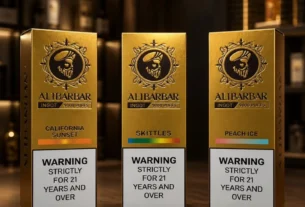
A prominent indicator of a compliant retailer is strict adherence to age restrictions. In most jurisdictions, retail sales of nicotine-containing products are limited to individuals aged 18, 21, or older, depending on local legislation. Reputable physical storefronts will prominently display age restriction notices and consistently request valid identification prior to purchase. Online outlets should utilize automated age-verification software rather than relying on simple self-declaration pop-ups.
Licensing and Registration
Legitimate retailers must maintain up-to-date business permits, tobacco or e-cigarette retail licenses, and specialized authorizations required by local authorities. A compliant vape shop adheres to guidelines set by health authorities—such as the FDA in the United States or the TPD (Tobacco Products Directive) in Europe—ensuring that all stock meets established safety standards and registration requirements.
2. Product Authenticity and Traceability
The popularity of vaping has unfortunately given rise to counterfeit devices, unauthorized e-liquids, and improperly manufactured accessories. Counterfeit products carry significant safety risks, including faulty electrical components or unverified chemical ingredients.
Batch Numbers and Safety Seals
Quality control relies heavily on product traceability. Authentic e-liquids and hardware typically feature clear batch numbers, manufacturing dates, expiration dates, and tamper-evident seals. When visiting a vape shop, take note of whether products are properly sealed in original manufacturer packaging.
Authentication Codes
Many leading device manufacturers include unique scratch-off verification codes on their packaging. Customers can input these codes on the official manufacturer website to verify authenticity. A transparent retailer will actively encourage customers to check these codes and will stand behind the products they stock.
3. Transparency of Product Information and Ingredients
Knowing what goes into an e-liquid or device is essential for consumer safety. A reliable retail partner ensures complete clarity regarding product composition, strength, and hardware specifications.
E-Liquid Composition
Standard e-liquids generally contain USP-grade vegetable glycerin (VG), propylene glycol (PG), food-grade flavorings, and optional nicotine (either freebase or nicotine salts). High-quality retailers make full ingredient disclosures easily accessible. E-liquids should always clearly state:
- Propylene Glycol (PG) to Vegetable Glycerin (VG) ratio
- Exact nicotine concentration (expressed in mg/mL or percentage)
- Specific allergen warnings or warnings regarding synthetic additives
Clear Health Warnings
Legitimate packaging must comply with mandatory health warning labeling requirements. If a retailer sells products missing standard regulatory warnings, unlabelled bottles, or unbranded house mixes with no listed ingredients, it is best to shop elsewhere.
4. Hardware Safety and Technical Specifications
Vaping hardware involves electrical circuitry, heating elements, and rechargeable lithium-ion batteries. Ensuring hardware safety requires knowledgeable staff and properly tested equipment.
Battery Safety and Circuit Protection
Modern regulated mods feature built-in safety mechanisms, such as short-circuit protection, overcharge prevention, and automatic cutoff timers. Staff at a qualified vape shop should be capable of explaining these safety features clearly, recommending compatible battery types, and providing guidelines on safe external charging practices.
Regulated vs. Unregulated Devices
For advanced users exploring mechanical mods or rebuildable atomizers, understanding Ohm’s Law and battery discharge limits is vital. A trustworthy retailer ensures that customers purchasing advanced gear possess the technical knowledge necessary to operate devices safely, rather than selling complex equipment without proper safety guidance.
5. Cleanliness, Storage, and Professional Environment
The physical condition of a retail store speaks volumes about its commitment to quality control and hygiene. E-liquids are sensitive to environmental factors such as direct sunlight, high heat, and contamination.
Storage Conditions
E-liquids degrade when exposed to prolonged UV light and high temperatures, which can break down nicotine and degrade flavor quality. A professional vape shop stores stock in cool, temperature-controlled environments away from direct window sunlight.
Hygiene and Cleanliness
Storefronts should maintain clean displays, sanitary testing stations (where permitted by law), and hygienic handling practices. Devices on display should be clean, dust-free, and organized systematically by category.
6. Staff Expertise and Ethical Customer Service
Knowledgeable staff members are often the deciding factor when selecting a primary retailer. A quality store focuses on education, guidance, and customer safety rather than aggressive sales tactics.
Personalized Guidance for Beginners
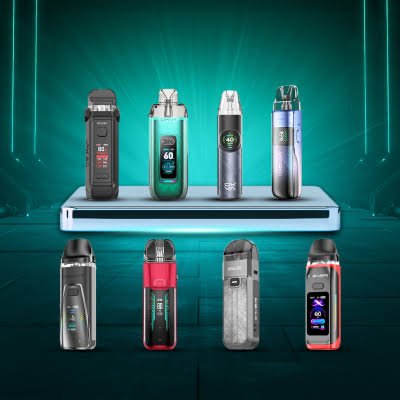
For individuals transitioning away from combustible cigarettes, navigating device types, coil resistances, and nicotine strengths can feel overwhelming. Staff should take the time to explain the differences between disposable devices, pod systems, and adjustable box mods, helping customers select appropriate equipment tailored to their experience level.
Ethical Sales Practices
An ethical vape shop will never recommend high-nicotine products to non-smokers or upsell complex, high-power setups to complete beginners who simply require a straightforward starter kit. Helpful, honest guidance builds long-term customer trust and ensures user safety.
Final Considerations
Finding the right vape shop comes down to looking beyond marketing hype and lower prices. By prioritizing stores that uphold strict legal compliance, maintain product authenticity, offer transparent ingredient details, and focus on customer education, you ensure a safe and reliable retail experience. Taking time to evaluate a retailer’s standards protects both your wellbeing and your investment in quality products.