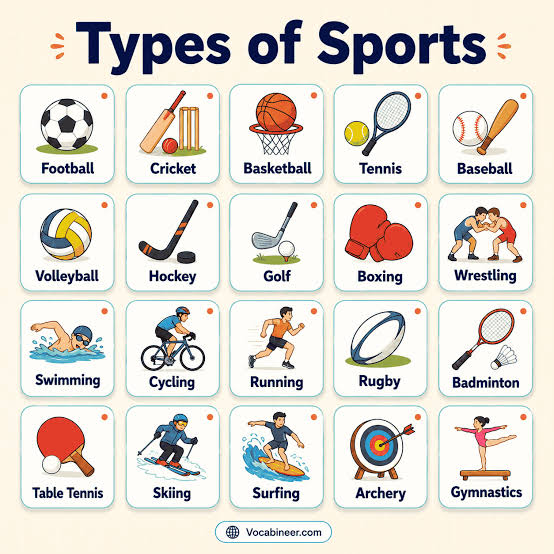
Sports play an important role in a child’s physical, emotional, and social development. Beyond providing exercise and entertainment, sports help children develop essential life skills that can guide them throughout their lives. Whether they participate in football, cricket, basketball, swimming, tennis, or another activity, children have Sports betting opportunities to learn discipline, teamwork, patience, confidence, and respect. These lessons extend beyond the playing field and help prepare young people for school, relationships, and future responsibilities.
When children participate in sports in a positive and supportive environment, they discover that success is not simply about winning. It is also about making an effort, learning from mistakes, supporting others, and continuing to improve. Parents, coaches, and teachers can help children recognize these valuable lessons and apply them to everyday situations.
1. Sports Teach Teamwork and Cooperation
One of the most valuable lessons children learn through sports is the importance of teamwork. In team-based activities such as football, cricket, and basketball, players must work together to achieve a common goal. Individual talent can be helpful, but cooperation is often essential for success.
Children learn to communicate with teammates, share responsibilities, and recognize the contributions of others. They begin to understand that every team member has a role, even when some players receive more attention than others.
These experiences can improve their ability to work with classmates on school projects, cooperate with siblings, and participate in group activities. Children also learn that listening to different opinions and helping others can produce better results than trying to accomplish everything independently.
2. Sports Develop Discipline and Responsibility
Regular participation in sports encourages children to develop discipline. Attending practice sessions, following instructions, learning rules, and preparing for competitions require consistent effort. These routines help children understand that progress usually comes from repeated practice rather than instant results.
For example, a child learning to swim may need several lessons to become comfortable with a particular technique. A young cricket player may spend considerable time practicing batting before noticing improvement. Through these experiences, children discover the value of patience and commitment.
Sports also teach responsibility. Children may need to organize their equipment, arrive on time, and take care of their belongings. Such habits can gradually transfer to homework, household responsibilities, and personal routines.
Parents and coaches can strengthen these lessons by encouraging consistency without placing unrealistic expectations on young athletes.
3. Sports Help Children Build Confidence
Confidence is an important part of healthy childhood development. Sports give children opportunities to explore their abilities, overcome challenges, and recognize their progress.
Learning a new skill, completing a difficult exercise, or contributing to a team can help children feel proud of their efforts. These experiences can encourage them to try unfamiliar activities and approach future challenges with greater confidence.
Importantly, confidence does not need to depend on winning competitions or receiving awards. A child who improves a passing technique, learns to cooperate with teammates, or continues practicing after a difficult session is also making meaningful progress.
Supportive feedback from parents and coaches helps children understand that their value does not depend on their performance. Celebrating effort, improvement, and determination can create a healthier foundation for lasting self-confidence.
4. Sports Teach Children How to Handle Failure
Failure is a natural part of learning, and sports provide children with opportunities to experience disappointment in a manageable environment. A team may lose a match, a player may miss an important opportunity, or a child may struggle to master a new skill.
These situations can teach children that setbacks do not mean they are incapable of succeeding. Instead, mistakes can reveal areas that need attention and provide opportunities for improvement.
For instance, after losing a cricket match, a team might discuss its communication, practice routines, or decision-making. The purpose should not be to blame individual players but to identify useful lessons for the future.
Children who learn to respond constructively to disappointment may become better prepared to manage academic challenges, disagreements, and unexpected changes. Adults can support this process by acknowledging children’s feelings and helping them focus on what they can learn from the experience.
5. Sports Encourage Respect and Fair Play
Respect is essential in sports. Children learn to follow rules, listen to coaches, appreciate opponents, and accept the decisions of referees or officials.
Fair play teaches young athletes that how they behave matters just as much as the final result. Cheating, insulting opponents, or deliberately breaking rules undermines the purpose of competition.
By observing respectful behavior, children learn that competitors deserve consideration even when they belong to another team. They also begin to recognize the importance of honesty, fairness, and self-control.
These values are useful in everyday life. Children who practice respectful communication may find it easier to resolve disagreements, understand different perspectives, and maintain positive relationships with friends and classmates.
Parents and coaches can reinforce these habits by demonstrating good sportsmanship themselves and praising respectful behavior during both victories and defeats.
6. Sports Improve Communication Skills
Effective communication is necessary in almost every sport. Players must share information, ask questions, listen carefully, and respond to changing situations. Team members also need to encourage one another and discuss mistakes without creating unnecessary conflict.
Through these interactions, children learn how to express their thoughts clearly and understand the messages of others. They may also become more comfortable speaking in groups and asking for assistance when needed.
For example, a basketball player must communicate with teammates during a game, while a cricket player may need to discuss field positions and strategy. These experiences teach children that successful cooperation depends on exchanging information and paying attention.
Strong communication skills can benefit children in classrooms, friendships, family discussions, and future professional environments.
7. Sports Promote Patience and Long-Term Thinking
Many children naturally want immediate results, but sports demonstrate that meaningful improvement takes time. Developing coordination, learning techniques, and building physical skills require regular practice and realistic expectations.
A young athlete may not perform a skill successfully on the first attempt. With guidance and repetition, however, progress often becomes more noticeable.
This process teaches children to focus on gradual improvement instead of expecting instant success. It also helps them understand the connection between preparation and achievement.
Patience can be useful when studying difficult subjects, learning a musical instrument, developing creative abilities, or working toward personal goals. Sports encourage children to recognize that steady progress can be more valuable than rushing toward a result.
8. Sports Help Children Manage Emotions
Competition can bring excitement, nervousness, frustration, and disappointment. Learning to recognize and manage these emotions is an important life skill.
Children may feel nervous before a match or frustrated after making a mistake. With appropriate guidance, they can learn to pause, breathe calmly, listen to instructions, and return their attention to the activity.
Sports also teach children to celebrate success without disrespecting others and to accept disappointment without directing frustration toward teammates.
These experiences can help children develop emotional awareness and self-control. Adults should remember that children are still learning these skills and may need reassurance, time, and practical guidance.
A supportive sporting environment makes it easier for young athletes to express their feelings and develop healthy ways of responding to challenging situations.
9. Sports Encourage Healthy Habits and Well-Being
Physical activity is another important benefit of childhood sports. Activities such as cycling, swimming, football, and running can help children develop coordination, strength, balance, and endurance.
Participating in sports can also encourage healthier routines, including regular movement, adequate sleep, hydration, and balanced nutrition. Enjoyable physical activities may help children establish habits that remain useful as they grow older.
Sports can provide opportunities to spend time outdoors, connect with friends, and take a break from sedentary activities. These experiences can support general well-being and create enjoyable ways to stay active.
However, children’s health should always take priority over competition. Appropriate coaching, sufficient rest, age-appropriate activities, and attention to safety help ensure that sports remain beneficial and enjoyable.
10. Sports Develop Leadership and Problem-Solving Skills
Sports give children opportunities to practice leadership, whether they serve as team captains or simply help teammates during practice. Leadership involves more than giving instructions. It also includes listening, setting a positive example, encouraging others, and accepting responsibility.
Children may also face situations that require quick decisions. They might need to choose a passing option, adjust their position, or respond to an opponent’s strategy. Such experiences encourage them to observe situations, consider available options, and make decisions.
These skills can be valuable in school assignments, community activities, and future careers. Children gradually learn that good leaders cooperate with others, remain open to feedback, and consider the needs of the entire group.
Providing children with appropriate opportunities to take responsibility can help them develop leadership skills without placing unnecessary pressure on them.
How Parents and Coaches Can Reinforce These Lessons
The positive influence of sports depends partly on the environment in which children participate. Parents and coaches can make the experience more meaningful by emphasizing personal growth rather than focusing exclusively on victories.
They should encourage children to try new activities, recognize improvements, and learn from mistakes. Constructive feedback is generally more helpful than harsh criticism, comparisons with other children, or unrealistic performance expectations.
Adults can also ask simple questions after practice or a game, such as what the child enjoyed, what they learned, or how they helped a teammate. These conversations help children connect sporting experiences with everyday life.
Most importantly, children should have opportunities to enjoy sports without feeling that their worth depends on medals, scores, or selection for a particular team.
Conclusion
Sports can teach children valuable life lessons that extend far beyond physical activity. Through participation, young people learn teamwork, discipline, confidence, patience, respect, communication, emotional management, and problem-solving. They also discover how to respond to setbacks, appreciate the efforts of others, and work toward meaningful goals.
These lessons become especially powerful when children receive encouragement from supportive parents, coaches, and teachers. By prioritizing personal development, fair play, and enjoyment, adults can help children gain lasting benefits from their sporting experiences.
Ultimately, the greatest achievement in childhood sports is not necessarily winning a championship. It is helping children become responsible, resilient, respectful, and confident individuals who are better prepared to face the challenges and opportunities of everyday life.