Sourcing products from overseas is one of the most critical decisions a jewelry brand owner can make. Partnering with the right China jewelry manufacturer can significantly lower production costs, boost profit margins, and provide access to cutting-edge manufacturing technologies. However, with thousands of suppliers operating across major jewelry hubs like Guangzhou, Yiwu, and Shenzhen, choosing the wrong partner can lead to quality control failures, intellectual property leaks, and shipping delays.
To ensure your brand’s growth and protect your reputation, you must evaluate prospective suppliers thoroughly. Here are the top factors to consider before selecting a China jewelry manufacturer for your brand.
1. Manufacturing Capabilities and Specialization
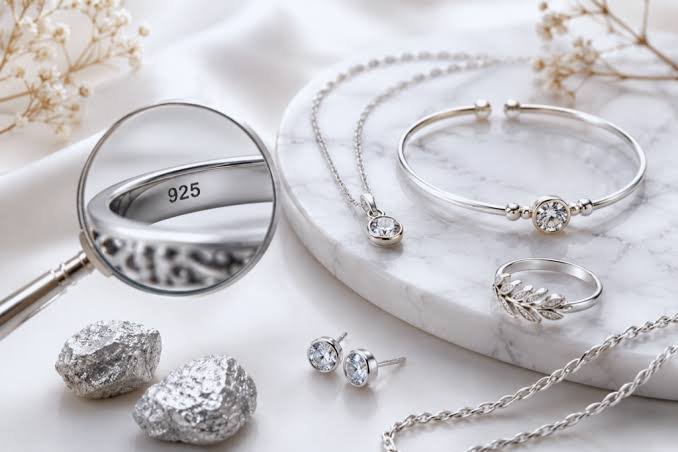
Not all jewelry factories possess the same skill set or equipment. A supplier specializing in mass-produced brass fashion jewelry may not have the expertise or machinery required to produce high-end 925 sterling silver, solid gold, or intricate gem-set pieces.
When evaluating a China jewelry manufacturer, assess their core strengths:
- Material Expertise: Verify whether they specialize in stainless steel, brass, sterling silver, gold plating (such as PVD coating or electroplating), or fine gold and diamonds.
- Production Techniques: Determine if they use advanced methods like 3D printing, CAD design modeling, lost-wax casting, or hand-setting for stones.
- Plating Quality: If your line includes plated jewelry, ask about their micron thickness standards and anti-tarnish protective coatings (such as e-coating).
Selecting a China jewelry manufacturer whose primary production focus matches your brand’s product line ensures higher craftsmanship and fewer errors during production.
2. Quality Control and Certifications
Quality consistency is paramount in the fashion and luxury sectors. A single shipment of tarnished or defective jewelry can damage customer trust and increase return rates.
Before committing to a long-term contract with a China jewelry manufacturer, investigate their quality assurance protocols:
- In-House Quality Inspection: Ask about their quality control (QC) checkpoints throughout the production pipeline—from raw material testing to final packaging inspection.
- Compliance and Safety Standards: Ensure the materials meet international environmental and safety regulations, such as REACH in the EU or CA Prop 65 in the US (which strictly limit lead, nickel, and cadmium content).
- Factory Certifications: Look for recognized ISO certifications (such as ISO 9001 for quality management systems) or ethical audit certifications like BSCI or RJC (Responsible Jewellery Council).
3. Minimum Order Quantities (MOQs) and Scalability
Factory Minimum Order Quantities (MOQs) directly impact your cash flow and inventory management strategies. High MOQs can bind your capital in unsold inventory, while extremely low MOQs might indicate trading companies rather than direct manufacturing facilities.
Discuss MOQs upfront with each prospective China jewelry manufacturer:
- Per-Style vs. Per-Order MOQs: Clarify whether the MOQ applies per individual design/colorway or per overall order total.
- Sample Production: Confirm whether the manufacturer allows low-volume sample runs to test market demand before placing large bulk orders.
- Scalability: Ensure the facility has the workforce, machinery, and material sourcing pipelines to scale up production smoothly as your order volume grows over time.
4. Sampling Process and Prototyping
Never jump straight into mass production without thoroughly reviewing physical samples. The sampling stage tests not only product quality, but also the supplier’s technical accuracy and responsiveness.
When working with a China jewelry manufacturer on prototypes:
- CAD Drawings and 3D Renderings: Request standard CAD designs before physical casting to review proportions and stone placements.
- Turnaround Time: Inquire about sample production lead times, which typically range between 7 to 15 days depending on design complexity.
- Revisions and Cost: Confirm sampling fees and check if sample costs are refundable or credited toward your first full bulk order.
Pay close attention to detail during sample evaluation: check clasp functionality, chain durability, stone setting security, polish finish, and weight accuracy.
5. Intellectual Property (IP) Protection
Intellectual property theft and design copying remain major concerns for independent designers and growing jewelry labels. Protecting your proprietary designs requires proactive legal and operational steps.
To safeguard your brand when partnering with a China jewelry manufacturer:
- Non-Disclosure Agreements (NDAs): Ask the factory to sign a legally binding Non-Disclosure, Non-Use, and Non-Circumvention (NNN) agreement tailored to Chinese law before sharing CAD files or original sketches.
- Exclusive Molds: Ensure the contract explicitly states that custom molds created for your brand remain your exclusive property and will never be reused for other clients or public catalog offerings.
- Reputation Check: Research whether the factory operates direct-to-consumer storefronts or Alibaba retail channels where your custom designs could potentially be listed without authorization.
6. Communication, Lead Times, and Customer Support
Smooth communication forms the foundation of a successful international manufacturing partnership. Language barriers, time zone differences, and poor responsiveness can create costly misunderstandings.
Assess the communication standards of any potential China jewelry manufacturer:
- Dedicated Account Managers: Determine if you will work directly with a English-speaking sales representative or project manager who understands design jargon.
- Communication Channels: Confirm preferred communication tools, such as WeChat, WhatsApp, email, or video calls for real-time design updates.
- Production Lead Times: Get clear commitments on standard production timelines (typically 20 to 35 days for bulk orders) and ask how peak seasons, such as the Chinese New Year holiday, impact turnaround times.
7. Cost Structure, Payment Terms, and Pricing Transparency
While competitive pricing is a primary reason to outsource production, the cheapest quote does not always represent the best value. Unusually low prices often indicate substandard base metals, thin plating layers, high defect rates, or hidden fees.
A professional China jewelry manufacturer provides transparent, itemized quotes that break down costs clearly:
- Cost Components: Quotes should clearly detail raw material costs, labor, custom molding fees, plating specifications, and packaging.
- Payment Terms: Standard international B2B payment terms are usually a 30% deposit upon order confirmation and the remaining 70% balance due upon final inspection before shipment.
- Payment Methods: Ensure safe and reliable payment options, such as Wire Transfers (T/T), Letters of Credit (L/C), or secure trade platforms like Alibaba Trade Assurance.
Final Thoughts
Finding the right China jewelry manufacturer requires patience, research, and diligent vetting. By evaluating factory specializations, demanding strict quality control standards, protecting your intellectual property, and establishing clear communication channels, you lay a reliable foundation for your brand’s growth. Taking these steps will help you establish a strong, profitable, and long-lasting partnership that allows your jewelry brand to thrive in a competitive marketplace.