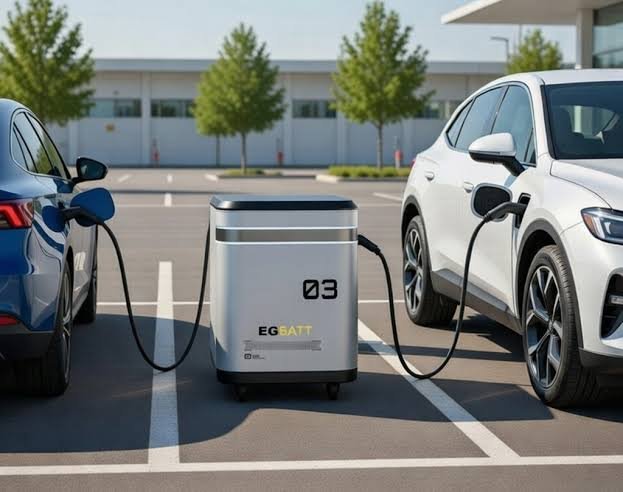
The transition toward electric vehicles (EVs) represents one of the most significant shifts in modern transportation history. As governments, automakers, and consumers unite under the common goal of reducing carbon emissions and embracing sustainable energy, millions of electric cars now populate our roads. However, this rapid growth brings unique infrastructural challenges. While the public charging network continues to expand, drivers still frequently encounter congested charging stations, broken infrastructure, and unpredictable waiting times. For the modern EV driver who values time, efficiency, and reliability, a traditional fixed charging station is sometimes not enough. This is where a mobile DC charging solution transforms the entire ownership experience, offering unprecedented flexibility, peace of mind, and freedom from range anxiety.
The Rapidly Evolving Landscape of Electric Vehicles
Over the past decade, electric vehicles have transitioned from being a niche market for early adopters to becoming a mainstream choice for households and businesses alike. Battery technologies have improved dramatically, offering greater driving ranges, faster acceleration, and more affordable price points. Yet, despite these remarkable technological leaps, the human element of driving remains unchanged: people demand convenience, reliability, and predictability.
When a gasoline-powered car runs low on fuel, the driver pulls into one of the millions of accessible gas stations, fills the tank in under five minutes, and resumes their journey. In contrast, refueling an electric vehicle requires careful route planning, compatibility checks for charging connectors, and occasionally waiting in line behind other motorists. While home charging covers daily commuting needs for many, long road trips, unexpected detours, and high-density urban living introduce complexities that standard infrastructure struggles to resolve. Modern EV drivers need dynamic energy solutions that match the fast-paced nature of their lives, making innovative mobile charging systems more relevant than ever.
Understanding the Limitations of Fixed Charging Infrastructure
Fixed public charging stations have been the backbone of the EV revolution, yet they suffer from inherent structural vulnerabilities. Installing a high-powered DC fast charger requires massive capital investment, complex grid connections, extensive civil engineering work, and months—sometimes years—of bureaucratic permitting. Because of these hurdles, chargers are often concentrated heavily in affluent urban centers while rural corridors and remote highways remain underserved.
Furthermore, fixed chargers are entirely static. If a station goes out of service due to technical failure, vandalism, or power grid maintenance, drivers relying on that specific location are left stranded. In densely populated metropolitan areas, EV adoption often outpaces infrastructure growth, leading to long queues at charging plazas during peak hours. Fixed stations cannot relocate to areas of temporary high demand, such as festival grounds, disaster relief zones, or heavily congested holiday travel routes. Relying solely on stationary infrastructure creates a rigid system that fails to adapt to the fluid, unpredictable needs of modern drivers.
What Is a Mobile DC Charging Solution?
A mobile DC charging solution bridges the gap between static infrastructure and driver demand. Essentially, it is a high-capacity, heavy-duty energy storage and delivery system mounted on a vehicle, trailer, or modular skid that can be transported directly to wherever power is needed. Unlike portable consumer power banks designed for smartphones, a commercial-grade mobile DC charging solution delivers ultra-fast direct current power capable of rapidly replenishing an electric vehicle’s high-voltage battery.
These units are typically equipped with advanced lithium-ion battery packs, sophisticated power conversion electronics, and multiple charging standards like CCS, CHAdeMO, and Tesla-compatible plugs. They can be deployed by roadside assistance providers, fleet operators, event organizers, and emergency services. By bringing the power source directly to the vehicle rather than forcing the vehicle to seek out a fixed station, this technology redefines energy accessibility.
Key Benefits for Modern EV Drivers
The integration of mobile charging technology into everyday driving scenarios introduces a wide array of advantages that significantly enhance the EV ownership experience.
Ultimate Convenience and Flexibility
For urban dwellers who lack dedicated off-street parking or home charging capabilities, finding a reliable place to plug in can be a daily hassle. A mobile DC charging solution introduces a concierge-style approach to energy refueling. Imagine subscribing to a service where a high-speed charger can be dispatched directly to your parked vehicle while you are at work or at home. This eliminates the need to spend valuable personal time sitting at public charging stations, returning the luxury of time to the driver.
Emergency Roadside Assistance and Range Anxiety Relief
Range anxiety remains one of the psychological barriers preventing widespread EV adoption among hesitant buyers. Even experienced drivers occasionally miscalculate energy consumption due to extreme weather conditions, unexpected traffic jams, or steep mountain climbs. Running out of battery power in a traditional car means walking to a gas station with a jerrycan. Doing the same in an EV historically meant an expensive and time-consuming flatbed tow to the nearest charging station. With a mobile DC charging solution integrated into roadside assistance networks, a stranded motorist can receive enough charge in just fifteen to twenty minutes to safely reach their destination or a functioning public charger, transforming a major crisis into a minor inconvenience.
Fleet Management and Commercial Applications
The advantages extend far beyond individual passenger cars. Commercial fleets, including delivery vans, ride-sharing vehicles, and corporate electric cars, operate on tight schedules where downtime equals lost revenue. If a commercial depot experiences a localized power outage or grid failure, the entire fleet could be immobilized. Mobile charging units serve as a reliable backup power source, ensuring business continuity. Additionally, transport companies can use these units to temporarily charge fleets at remote staging areas or construction sites without investing in permanent, expensive grid upgrades.
Overcoming Range Anxiety Once and for All
Psychological hurdles are often harder to conquer than technical ones. Drivers of internal combustion engines take for granted the absolute ubiquity of liquid fuel. To match this level of confidence, the EV ecosystem must provide safety nets that guarantee drivers will never be left completely helpless.
A mobile DC charging solution acts as the ultimate safety net. Knowing that rapid energy delivery is just a phone call or app tap away fundamentally alters how drivers perceive long-distance travel. It encourages exploration of remote regions and scenic byways that lack established charging infrastructure, knowing that support is mobile and flexible.
Economic and Environmental Impact
From an economic perspective, deploying mobile charging units is often far more cost-effective for municipalities and private operators than building permanent, high-capacity grid-tied stations in low-traffic or temporary locations. They can be charged during off-peak hours using renewable energy sources like solar or wind power, storing cheap and clean energy until it is needed on demand.
Furthermore, many advanced mobile units incorporate second-life EV batteries, giving retired car batteries a valuable secondary purpose before they eventually reach recycling facilities. This circular economy approach minimizes environmental waste and maximizes resource efficiency, aligning perfectly with the core sustainability ethos of the electric vehicle movement.
Conclusion
The future of electric mobility relies on innovation, adaptability, and user-centric design. While fixed charging networks will always serve as the foundation of everyday refueling, they cannot solve every logistical challenge on their own. The introduction of a mobile DC charging solution represents a monumental leap forward, offering the flexibility, reliability, and emergency support that modern drivers demand. By eliminating range anxiety, supporting commercial fleets, and bringing high-speed energy directly to the point of need, mobile charging technology ensures that the road ahead for electric vehicles is smoother, faster, and more accessible than ever before.