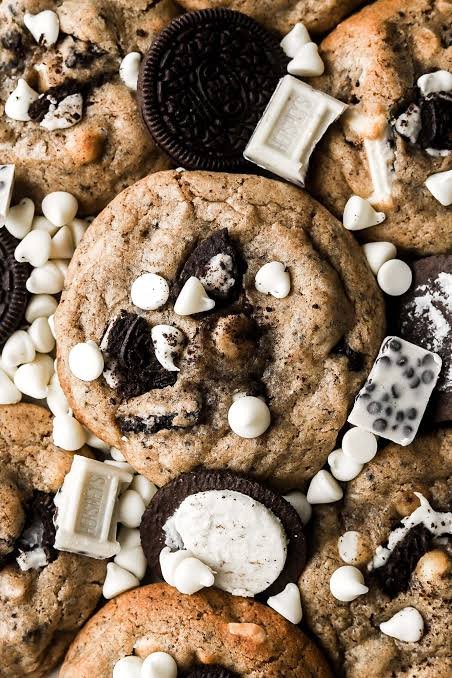
Baking cookies at home is a wonderful way to enjoy delicious treats while exploring your creativity in the kitchen. Whether you prefer soft chocolate chip cookies, crispy butter cookies, chewy oatmeal cookies, or sweet sugar cookies, homemade baking allows you to control the ingredients, flavors, and textures. With the right techniques and a little practice, anyone can learn how to bake cookies that look appealing and taste amazing.
This ultimate guide explains the essential ingredients, preparation methods, baking techniques, and helpful tips you need to make perfect cookies at home.
Understanding the Basics of Cookie Baking
Successful cookie baking begins with understanding how ingredients work together. Each ingredient has a specific purpose, and even small changes can influence the final result.
Flour provides the structure that holds cookies together. All-purpose flour is a popular choice because it creates a balanced texture suitable for many recipes. Butter adds flavor, richness, and tenderness, while sugar contributes sweetness, color, and texture. Eggs help bind ingredients and provide moisture, creating a more cohesive dough.
Baking soda and baking powder are leavening agents that help cookies rise and develop their characteristic texture. Salt enhances sweetness and balances the overall flavor. Additional ingredients, such as vanilla extract, chocolate chips, nuts, or dried fruit, can make a basic recipe more interesting.
Understanding these ingredients helps you make informed adjustments and achieve consistent results.
Choosing the Right Ingredients
The quality of your ingredients can significantly affect the taste and appearance of homemade cookies. Whenever possible, choose fresh ingredients and measure them carefully.
Use Fresh and Properly Stored Ingredients
Check the freshness of your flour, baking powder, baking soda, and other pantry staples before beginning. Ingredients that have been stored for a long time may not perform as expected.
Store flour and sugar in airtight containers in a cool, dry place. Keep chocolate chips, nuts, and dried fruit protected from moisture to maintain their quality.
Measure Ingredients Accurately
Accurate measurements are essential for reliable baking. Too much flour can produce dry, dense cookies, while excessive butter may cause them to spread too much.
A kitchen scale provides excellent accuracy when measuring ingredients by weight. If you use measuring cups, spoon flour into the cup and level it with a straight edge rather than packing it down.
Choose the Right Butter
Butter contributes much of the flavor and texture associated with traditional cookies. Softened butter is often used in recipes that require creaming butter and sugar together. Melted butter can create a chewier texture, depending on the recipe.
Follow the recipe’s instructions regarding butter temperature. Using butter that is too warm can cause cookies to spread excessively during baking.
Preparing Cookie Dough Correctly
Preparing cookie dough properly is one of the most important steps in achieving delicious results.
Cream Butter and Sugar
Many cookie recipes begin by beating softened butter with granulated sugar, brown sugar, or a combination of both. This process incorporates air into the mixture and helps create a pleasant texture.
Beat the ingredients until the mixture becomes lighter and looks creamy. Avoid overmixing once the flour has been added, as excessive mixing can develop gluten and make cookies tougher.
Add Eggs and Flavorings
Add eggs according to the recipe, mixing until they are incorporated. Vanilla extract is a popular addition because it enhances the overall flavor.
If the mixture appears slightly uneven, scrape down the sides of the bowl before continuing. This helps distribute the ingredients more evenly throughout the dough.
Mix in the Dry Ingredients
Combine the flour, salt, and leavening agents before adding them to the wet mixture. Gradually mix the dry ingredients into the butter mixture until a dough forms.
Fold in chocolate chips, chopped nuts, raisins, or other additions at the end. Stop mixing as soon as everything is evenly distributed.
Chill the Dough When Needed
Chilling cookie dough can improve flavor and help control spreading. Cold dough generally holds its shape better in the oven, particularly when the recipe contains a substantial amount of butter.
Cover the dough and refrigerate it for the time recommended by the recipe. If the dough becomes extremely firm, allow it to soften slightly before shaping.
Selecting the Best Baking Temperature
Oven temperature plays a major role in determining whether cookies become soft, chewy, or crispy. Many traditional cookie recipes bake at approximately 175°C to 190°C, although the ideal temperature depends on the recipe.
Always preheat your oven before placing the cookies inside. An oven that has not reached the correct temperature may produce uneven results.
An oven thermometer can help you identify temperature differences that are not obvious from the control panel. If your cookies consistently brown too quickly or remain underbaked, checking the actual oven temperature is a useful first step.
For more even baking, place the baking tray in the center of the oven. Avoid overcrowding the tray because cookies need enough space to spread without touching one another.
Essential Tips for Perfect Cookie Texture
Different cookie lovers prefer different textures. Fortunately, several techniques can help you achieve your preferred result.
How to Make Soft Cookies
For softer cookies, consider using a recipe that includes brown sugar, which helps retain moisture. Avoid baking the cookies for too long, and remove them when the edges are set but the centers still look slightly soft.
Cookies continue to firm up as they cool, so they do not always need to appear completely finished inside the oven.
How to Make Crispy Cookies
If you prefer crisp cookies, look for a recipe designed to produce a thinner, drier texture. Some recipes use more granulated sugar or bake the cookies slightly longer to encourage crispness.
Allow crispy cookies to cool completely on a suitable rack so that moisture does not become trapped underneath them.
How to Make Chewy Cookies
Chewy cookies often benefit from brown sugar, appropriate moisture levels, and careful baking time. Slightly underbaking the centers can help preserve a chewy texture, provided the recipe is otherwise fully prepared and handled safely.
The balance of flour, fat, sugar, and eggs matters more than any single ingredient.
Exploring Different Types of Homemade Cookies
One of the most enjoyable aspects of baking is experimenting with different cookie varieties.
Chocolate Chip Cookies
Chocolate chip cookies remain a favorite because they combine a buttery dough with sweet chocolate pieces. You can use dark, milk, or semisweet chocolate depending on your preference.
For a more interesting flavor, add a small pinch of flaky salt on top after baking.
Sugar Cookies
Sugar cookies have a simple, sweet flavor and work well for celebrations. Their dough can be rolled and cut into different shapes, making them suitable for birthdays, holidays, and family gatherings.
Chill the dough before cutting shapes to help the cookies maintain their appearance.
Oatmeal Cookies
Oatmeal cookies provide a hearty texture and can include raisins, cinnamon, nuts, or chocolate chips. Rolled oats are commonly used to create a satisfying bite.
Measure the oats and flour carefully to prevent the cookies from becoming excessively dry.
Peanut Butter Cookies
Peanut butter cookies offer a rich, nutty flavor. Many recipes combine peanut butter with sugar, eggs, flour, and other ingredients to create a soft or crumbly texture.
Always consider food allergies when preparing cookies for guests, especially when using peanuts or tree nuts.
Common Cookie-Baking Mistakes to Avoid
Even experienced home bakers occasionally encounter problems. Understanding common mistakes can help you improve your next batch.
Using inaccurate measurements may result in cookies that spread too much or become dry. Skipping the recommended chilling time can also affect the shape and texture of certain recipes.
Another frequent mistake is placing cookie dough on a hot baking tray. The heat begins melting the butter before the tray enters the oven, which can lead to excessive spreading. Let the tray cool between batches.
Opening the oven repeatedly may cause temperature fluctuations and uneven baking. Instead, observe the cookies through the oven window whenever possible.
Finally, avoid moving freshly baked cookies too soon. Many cookies are fragile when hot and need a few minutes to set before being transferred to a cooling rack.
Decorating and Serving Homemade Cookies
Decorating cookies is an excellent opportunity to personalize your baking. Simple options include melted chocolate, icing, colorful sprinkles, chopped nuts, or a light dusting of powdered sugar.
For special occasions, use cookie cutters to create themed shapes. Sugar cookies can be decorated with icing after they have cooled completely, while chocolate chip cookies often look appealing without additional decoration.
Serve homemade cookies with milk, tea, coffee, or hot chocolate. They can also be included in lunchboxes, shared with friends, or arranged on dessert platters for family celebrations.
If you are preparing cookies as gifts, allow them to cool fully before placing them in a clean container. This prevents trapped steam from making them soggy.
How to Store Cookies for Freshness
Proper storage helps maintain the taste and texture of your cookies after baking.
Store completely cooled cookies in an airtight container at room temperature. Soft cookies and crispy cookies may benefit from separate storage because their different moisture levels can affect one another.
For longer storage, many baked cookies can be frozen in airtight, freezer-safe containers. You can also freeze portions of cookie dough when the recipe allows it, making future baking more convenient.
Label frozen dough with the date and baking instructions. When you are ready to bake, follow the recipe’s guidance on thawing and adjusting the baking time.
Conclusion
Baking perfect cookies at home becomes easier when you understand your ingredients, prepare the dough carefully, control the oven temperature, and follow the correct baking times. From classic chocolate chip cookies to decorative sugar cookies and flavorful oatmeal varieties, there are countless ways to create treats that suit your preferences.
Remember that successful baking involves both careful technique and experimentation. Measure ingredients accurately, avoid overmixing, chill dough when necessary, and allow cookies enough time to cool. If your first batch is not exactly as expected, use the results to make small improvements.
With patience, practice, and a reliable recipe, you can transform simple kitchen ingredients into delicious homemade cookies that bring warmth, creativity, and enjoyment to everyday moments and special occasions.