Introduction
A car’s wheels play an important role in its overall appearance, performance, and driving experience. While many drivers focus on engine upgrades, exterior styling, or interior accessories, upgrading the wheels can make a noticeable difference in how a vehicle looks and feels on the road. custom forged wheels have become a popular choice among automotive enthusiasts who want a combination of distinctive design, lightweight construction, and reliable performance.
Unlike many conventional wheels, forged wheels are manufactured using a process that compresses aluminum under significant pressure to create a strong wheel structure. This production method offers manufacturers greater flexibility when developing different designs, sizes, and finishes. As a result, drivers can select wheels that complement their vehicle’s style while considering practical performance requirements.
From enhancing a car’s visual appeal to potentially improving handling response, custom forged wheels offer several advantages. Understanding these benefits can help drivers determine whether this upgrade suits their vehicle, driving habits, and budget.
What Are Custom Forged Wheels?
Custom forged wheels are wheels produced from solid aluminum material using a specialized forging process. The material is shaped under high pressure, followed by machining and finishing processes that create the desired wheel design.
This manufacturing method differs from conventional casting, in which molten metal is poured into a mold and allowed to solidify. Forging can produce a dense material structure with favorable mechanical properties, making it suitable for applications where strength and weight are important considerations.
The Forging Manufacturing Process
The process typically begins with a solid aluminum billet. Manufacturers apply heat and pressure to shape the material into a wheel blank. Computer-controlled machining then removes excess material and creates the spokes, mounting surfaces, and other design details.
After machining, the wheel may undergo additional finishing procedures, quality inspections, and dimensional checks. The final result is a wheel designed to meet particular strength, fitment, and appearance requirements.
Because custom forged wheels can be machined into different shapes, customers have numerous styling possibilities. However, the quality of the finished product also depends on the alloy, engineering, manufacturing standards, and quality-control procedures.
Transforming Your Car’s Appearance
One of the most noticeable advantages of custom forged wheels is their ability to change a vehicle’s overall appearance. Wheels occupy a prominent position on a car, and their design can influence whether the vehicle looks sporty, luxurious, aggressive, or understated.
Personalized Designs and Finishes
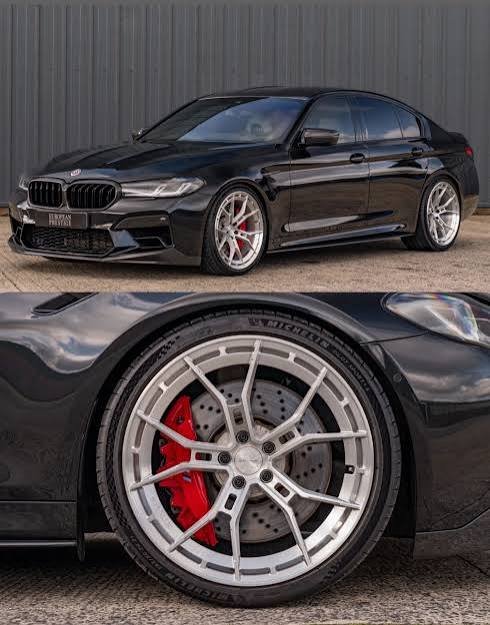
Custom forged wheels are available in a wide range of spoke patterns, colors, sizes, and surface finishes. Drivers can choose intricate multi-spoke designs, bold split-spoke patterns, or minimalist styles that complement their vehicle’s original design.
Popular finishes include gloss black, satin black, silver, brushed aluminum, bronze, and polished metallic surfaces. Some manufacturers also offer personalized finishes for drivers who want a more distinctive appearance.
The right combination can help coordinate the wheels with the vehicle’s paint, brake components, and exterior trim.
Creating a Balanced Appearance
Wheel size and proportions significantly influence a car’s visual balance. A carefully selected wheel design can make the vehicle appear more refined without overwhelming its original styling.
However, larger wheels are not automatically better. Excessive wheel diameter or an unsuitable offset can affect tire clearance, ride comfort, and suspension operation. Selecting appropriate dimensions is essential for achieving an attractive appearance while preserving practical usability.
Improving Handling and Driving Response
Beyond aesthetics, wheel construction and weight can influence how a vehicle responds to steering inputs and changes in road conditions.
The Benefits of Reduced Wheel Weight
Many forged wheels can be manufactured with less material than comparable wheels while still meeting appropriate strength requirements. The actual weight advantage depends on the design, dimensions, alloy, and manufacturing specifications.
Reducing unsprung weight—the weight of components that are not supported by the suspension springs—can help the suspension respond more effectively to road irregularities. This may improve the vehicle’s ability to maintain tire contact with the road, depending on the complete suspension and tire setup.
Lower wheel weight can also reduce rotational inertia, potentially helping the vehicle accelerate and decelerate more efficiently.
These benefits are not guaranteed for every forged wheel. A heavy forged design may weigh more than a carefully engineered cast alternative, so comparing actual specifications is more useful than relying on the manufacturing label alone.
Steering Precision and Cornering
Wheel weight, stiffness, width, and offset can influence steering response and cornering characteristics. A suitable lightweight wheel may help a car feel more responsive when changing direction.
Nevertheless, tires, suspension geometry, alignment, and vehicle weight distribution also have substantial effects on handling. Forged wheels should therefore be viewed as one part of a complete performance setup rather than a standalone solution.
Choosing the correct wheel specifications helps preserve predictable handling and proper tire contact during everyday driving.
Enhancing Acceleration and Braking Performance
Wheels contribute to rotational mass, which affects how much energy a vehicle needs to increase or decrease wheel speed.
Potential Acceleration Benefits
When a vehicle uses lighter wheels, the drivetrain may require less energy to accelerate the rotating components. Depending on the weight difference and vehicle configuration, drivers may notice a more responsive feeling during acceleration.
However, the improvement varies according to the vehicle, engine output, wheel dimensions, tire weight, and other mechanical factors. Replacing wheels alone will not transform a standard vehicle into a high-performance machine.
Supporting Effective Braking
Wheel weight can also influence the energy that the braking system must manage. Reducing rotational mass may contribute to more efficient deceleration under suitable conditions.
Wheel design can affect brake clearance and airflow, but braking performance depends primarily on the complete braking system, tires, vehicle weight, and operating conditions. Drivers should ensure that any replacement wheels provide sufficient clearance for the vehicle’s brakes and comply with the manufacturer’s requirements.
Improving Strength and Durability
Forged wheels are often selected for their combination of strength and relatively low weight. Their manufacturing process can provide favorable material properties, although real-world durability depends on engineering quality and proper use.
Resistance to Everyday Road Conditions
Potholes, uneven pavement, curbs, and road debris can place substantial stress on wheels. A well-engineered forged wheel may offer a useful balance of structural strength and weight.
However, no wheel is indestructible. Severe impacts can damage forged, cast, and other wheel types. Tire condition, correct inflation, wheel dimensions, and driving behavior all influence the likelihood of damage.
Drivers should regularly inspect their wheels for visible cracks, deformation, or other signs of impact damage.
Long-Term Value
Custom forged wheels typically cost more than many conventional alternatives because of their manufacturing requirements, machining time, and personalization options.
For enthusiasts who value specific designs, weight characteristics, and custom fitment, the additional expense may be worthwhile. Buyers should still compare warranties, manufacturing standards, load ratings, and replacement availability before making a decision.
Choosing the Right Custom Forged Wheels
Selecting suitable wheels involves more than choosing an attractive finish. Compatibility, safety, and driving requirements should guide the decision.
Check Size, Offset, and Bolt Pattern
Wheel diameter, width, offset, bolt pattern, and center bore must match the vehicle’s requirements or an appropriately engineered fitment.
Incorrect specifications can cause rubbing, vibration, clearance problems, or changes in steering behavior. Drivers should consult a qualified wheel specialist to confirm fitment before purchasing.
Consider Your Driving Style
Drivers who primarily use their cars for commuting may prioritize comfort, durability, and practical tire availability. Performance enthusiasts may place greater emphasis on weight, brake clearance, and handling characteristics.
The wheel and tire combination should suit the vehicle’s intended use rather than simply following the latest styling trend.
Evaluate Quality and Certification
Before purchasing custom forged wheels, check their load ratings, manufacturing quality, warranty terms, and any applicable safety certifications. A reputable supplier should provide clear specifications and guidance on suitable applications.
Professional installation and correct fastener torque are equally important for safe operation.
Conclusion
Custom forged wheels can transform a car’s appearance while offering potential benefits in weight, steering response, and overall driving dynamics. Their wide range of designs and finishes allows drivers to personalize their vehicles, while carefully engineered lightweight construction may improve suspension response and reduce rotational inertia.
However, the results depend on the specific wheel design, vehicle compatibility, tire selection, and installation quality. Forged wheels are not automatically lighter or better-performing than every alternative, and they cannot replace the importance of good tires, properly maintained suspension components, and effective brakes.
By considering appearance, technical specifications, durability, and budget together, drivers can choose custom forged wheels that complement their vehicles and provide a satisfying balance of style and functionality.