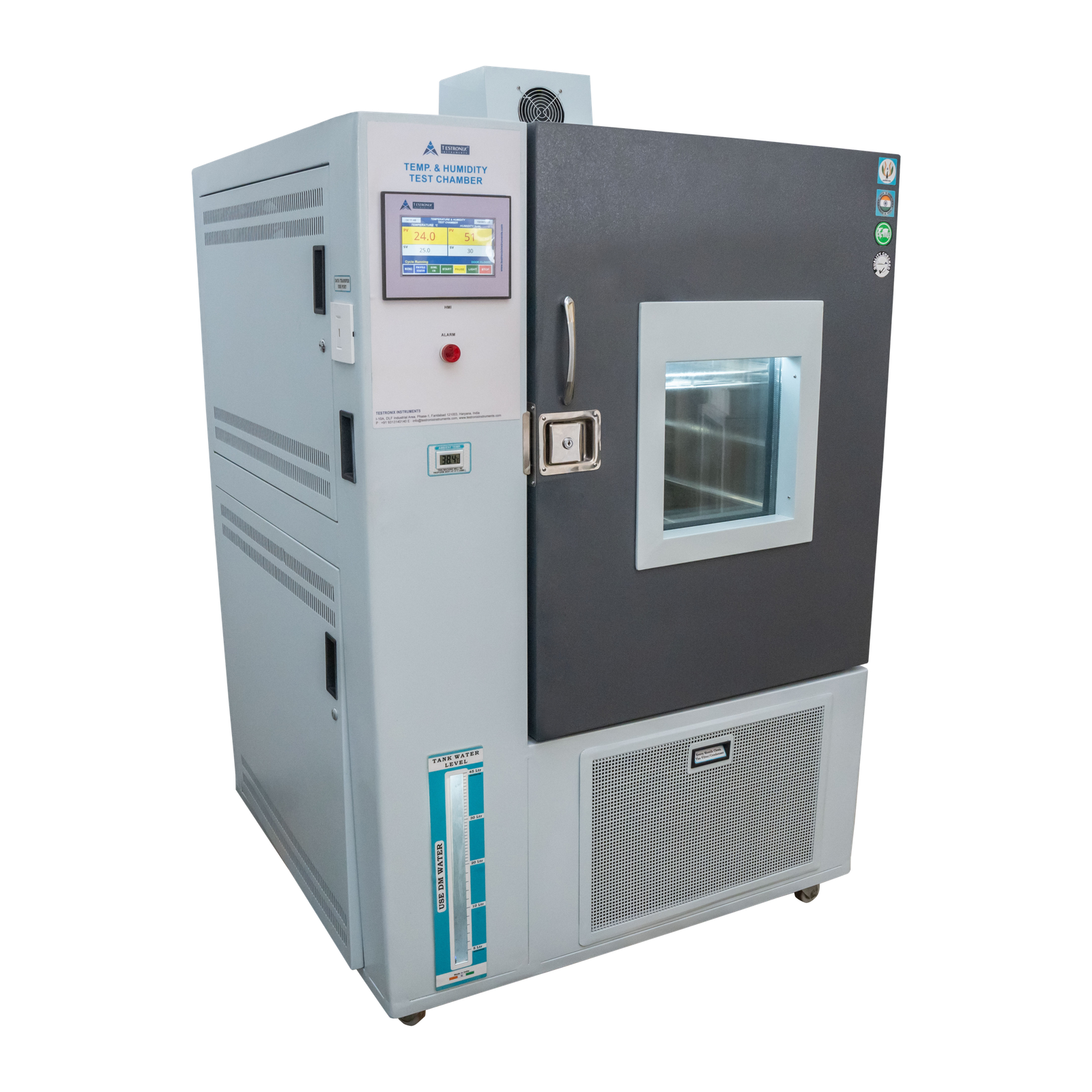
Product quality depends on more than how an item performs under normal operating conditions. Many products must function reliably in environments where atmospheric pressure, temperature, and air density differ significantly from standard conditions. Aviation equipment, electronics, automotive components, medical devices, telecommunications systems, and industrial products may all encounter high-altitude conditions during transportation, storage, or actual use. This is where an altitude test chamber becomes an important part of product development and quality assurance.
An altitude test chamber allows manufacturers and engineers to recreate reduced atmospheric pressure inside a controlled testing environment. By simulating conditions associated with different elevations, testing teams can observe how a product behaves and identify weaknesses before it reaches customers.
Understanding Altitude Testing
Altitude testing is designed to determine whether a product can continue operating safely and effectively when exposed to lower atmospheric pressure. At higher elevations, air pressure decreases, which can influence mechanical components, electrical systems, cooling performance, materials, and sealed enclosures.
Instead of transporting products to different geographical locations, manufacturers can use laboratory equipment to reproduce these conditions. This provides a repeatable and controlled method for evaluating performance.
An altitude test chamber can be programmed to create specific pressure conditions and, depending on the chamber design, may also combine altitude simulation with temperature and humidity testing. This makes it possible to evaluate products under conditions that closely represent their intended operating environment.
Identifying Product Weaknesses Early
One of the most important contributions of altitude testing is early fault detection. A product may perform perfectly at sea level but experience problems when atmospheric pressure decreases.
For example, pressure-sensitive components can behave differently at altitude. Cooling systems may become less effective because thinner air reduces heat transfer. Sealed containers may experience pressure differences between their interior and exterior surfaces. Certain electrical components may also require additional evaluation under reduced-pressure conditions.
Testing these potential weaknesses during product development allows engineers to make improvements before mass production. Early identification can reduce redesign costs, minimize production delays, and help prevent quality issues from reaching the market.
Supporting Design Improvements
Test results provide valuable information for engineering teams. If a component fails during altitude simulation, engineers can investigate the underlying cause and modify the design.
Possible improvements may include stronger materials, improved seals, different cooling methods, revised electronic layouts, or changes to protective housings. Engineers can then repeat the test to determine whether the modification improves performance.
This iterative approach helps transform testing from a final inspection activity into an important part of product design.
Improving Reliability and Durability
Customers expect products to perform consistently throughout their useful life. Reliability testing helps manufacturers determine whether products can withstand environmental conditions without unexpected failures.
An altitude test chamber provides controlled conditions for examining how reduced pressure affects product operation over a defined period. Testing can reveal gradual performance changes, component stress, leakage, overheating, or other problems that may not be visible during ordinary laboratory testing.
By understanding these effects, manufacturers can establish more reliable designs and improve product durability. This is especially important for equipment intended for aircraft, mountain environments, high-altitude transportation routes, or applications where reliable operation is essential.
Enhancing Safety
Product quality and safety are closely connected. A component that fails under reduced atmospheric pressure could create operational problems or, in certain applications, significant safety risks.
Altitude testing gives manufacturers an opportunity to investigate these risks under controlled conditions. Products can be monitored for abnormal behavior, structural changes, electrical problems, or performance degradation.
For industries with strict safety expectations, environmental testing can form an important part of a broader verification and validation program. Testing helps provide evidence that products have been evaluated against the conditions they may encounter in real-world use.
Supporting Consistent Quality Control
Quality control requires repeatable testing methods. Real-world environments are naturally difficult to control because weather, elevation, temperature, and other factors can change.
Laboratory altitude testing provides a much more consistent environment. Manufacturers can establish test parameters, repeat procedures, record measurements, and compare results across multiple product samples.
This consistency is useful when manufacturers are evaluating prototypes, production units, or design revisions. If several products are tested under the same conditions, engineers can more easily identify differences in performance and determine whether a change has improved quality.
Comparing Different Product Designs
Controlled altitude testing can also support product comparisons during development. Engineers may evaluate different materials, components, enclosure designs, or cooling approaches under identical pressure conditions.
The resulting data can help teams understand how each design responds to reduced atmospheric pressure. Rather than relying solely on theoretical calculations, manufacturers can use physical test results to guide engineering decisions.
Reducing Product Returns and Failures
Unexpected product failures can increase warranty expenses, returns, repairs, and customer dissatisfaction. Environmental testing can help reduce these risks by exposing potential weaknesses before products are distributed widely.
When manufacturers discover an altitude-related issue during development, they have an opportunity to correct it before production. This can help reduce the likelihood of field failures associated with environmental conditions.
Testing does not guarantee that every possible failure will be eliminated, but it provides valuable evidence about how a product responds to defined conditions and helps manufacturers make informed quality improvements.
Supporting Industry and Regulatory Requirements
Many industries use environmental testing as part of their product qualification processes. Depending on the product and application, manufacturers may need to demonstrate performance under specific environmental conditions.
An altitude test chamber can help organizations conduct controlled tests and collect documented results. Testing procedures may be designed around applicable industry standards, customer requirements, engineering specifications, or qualification programs.
Proper documentation is particularly valuable because it creates a record of test conditions, equipment settings, product behavior, and results. This information can support internal quality programs as well as customer or regulatory evaluations when applicable.
Combining Altitude With Other Environmental Conditions
Real-world high-altitude environments rarely involve pressure changes alone. Products may simultaneously experience temperature variations, humidity changes, vibration, or transportation stresses.
Advanced environmental test systems can therefore be configured to evaluate multiple conditions. Combining altitude simulation with temperature or humidity testing can provide a more comprehensive understanding of product behavior.
For example, an electronic device may need to operate at reduced pressure while also experiencing a low temperature. Testing these conditions together may reveal interactions that would remain hidden if each factor were evaluated separately.
Making Product Development More Efficient
Although environmental testing requires time and resources, it can contribute to more efficient product development by reducing uncertainty. Instead of discovering environmental weaknesses after launch, manufacturers can investigate them during controlled development stages.
Test data can also help teams make evidence-based engineering decisions. When a design performs consistently under defined altitude conditions, engineers gain additional information about its suitability for the intended application.
This approach supports a quality-focused development cycle in which testing, analysis, redesign, and validation work together.
Conclusion
An altitude test chamber contributes to product quality by allowing manufacturers to reproduce reduced atmospheric pressure in a controlled and repeatable environment. It helps identify weaknesses, improve reliability, support safety evaluations, strengthen quality control, and reduce the risk of environmental failures.
For products designed to operate or travel at high elevations, altitude simulation can be an important part of development and qualification. By testing products before they reach the market, manufacturers can better understand their performance, refine designs, and build products capable of handling the conditions for which they were created.
Ultimately, altitude testing provides more than a laboratory measurement. It gives engineering and quality teams practical evidence that can be used to improve product performance, consistency, durability, and overall quality.