Long nursing shifts can be physically and mentally demanding. Nurses may spend most of the day moving between patients, standing during procedures, handling documentation, communicating with healthcare professionals, and responding to urgent situations. When a shift lasts 10 or 12 hours, fatigue can gradually build up.
This a guide for nurses on long shifts provides practical tips for preparing for extended shifts, maintaining comfort during work, and recovering afterward.
Prepare for a Long Shift in Advance
Preparation can make a significant difference when you know you’re going to spend many hours at work.
Before your shift, make sure you have comfortable clothing, supportive footwear, water, and food available. Preparing these items in advance can prevent unnecessary stress when you’re rushing to work.
If you regularly work long shifts, developing a consistent preparation routine can save time and make your workdays more predictable.
Make Sleep a Priority
A long shift is much harder when you start it already exhausted.
Try to get adequate sleep before work whenever your schedule permits. Nurses who work rotating or night shifts may need to create a personalized sleep routine that fits their schedule.
A cool, dark, and quiet bedroom may make it easier to rest, particularly when sleeping during daylight hours.
Choose Shoes Carefully
Nurses can spend a surprising amount of time walking and standing during a shift. The wrong shoes can make this much more uncomfortable.
Look for footwear that fits correctly and provides appropriate support. Avoid shoes that pinch your toes, rub your heels, or lack adequate cushioning.
If your shoes are worn out, replacing them may also improve comfort during extended shifts.
Give Your Legs Extra Attention
Your legs may experience significant strain when you’re standing and walking for many hours.
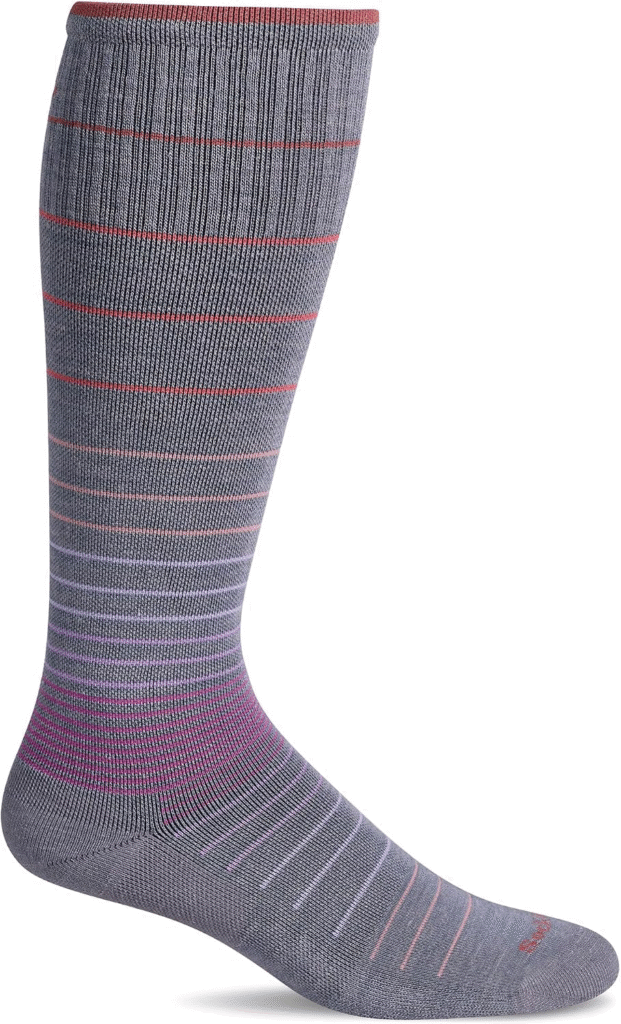
Some nurses choose to use compression stockings during long shifts. Compression stockings provide graduated pressure and come in different compression levels and lengths.
They may be useful for certain types of leg discomfort or swelling, but they’re not suitable for every person or every medical condition. If you have ongoing leg symptoms or a medical condition affecting circulation, ask a healthcare professional before using compression garments.
Stay Hydrated During Your Shift
Hydration can easily become an afterthought when you’re busy with patients.
Keep water available when appropriate and follow your workplace policies regarding drinking during shifts. Take regular opportunities to drink rather than waiting until you’re very thirsty.
Good hydration is an important part of supporting normal energy and concentration.
Bring Food From Home
Meal preparation can make long shifts easier.
Pack foods that are convenient, nutritious, and easy to eat during your designated break. A balanced meal can include protein, whole grains or other carbohydrates, vegetables, fruit, and healthy fats.
Keep a few simple snacks available as well. This can be helpful when your break schedule changes unexpectedly.
Don’t Ignore Your Break
When the workplace is busy, it can be tempting to use every available minute to complete tasks. However, appropriate breaks are important.
Use your break to sit down, eat, drink water, and mentally step away from work for a few minutes.
A genuine pause can help you return to your responsibilities feeling more refreshed.
Stretch When Appropriate
Long periods of standing can contribute to tight calves, tired feet, and general stiffness.
Simple movements such as ankle circles, gentle calf stretches, shoulder rolls, and light mobility exercises may help you stay comfortable.
Only perform these movements when your responsibilities and workplace environment allow it.
Manage Your Energy Throughout the Day
Instead of trying to maintain the same energy level for the entire shift, think about pacing yourself.
Complete tasks efficiently, stay organized, and avoid unnecessary physical effort when possible. If you know that certain parts of your shift are usually more demanding, plan ahead when you can.
Energy management becomes especially important during consecutive long shifts.
Pay Attention to Your Mental Health
Nursing involves emotional and mental challenges as well as physical demands.
Constant patient interaction, difficult situations, and high workloads can contribute to mental exhaustion. Take appropriate opportunities to breathe, reset, and talk with trusted colleagues when necessary.
If stress or emotional exhaustion becomes persistent, consider speaking with an appropriate professional or using resources available through your workplace.
Be Smart About Caffeine
Caffeine may help increase alertness, but more isn’t always better.
Large amounts of caffeine can interfere with sleep, especially if consumed toward the end of a shift. This can make recovery more difficult.
Use caffeine thoughtfully and remember that it cannot replace adequate sleep.
Create a Post-Shift Recovery Routine
What you do after a long shift matters too.
Once your responsibilities are finished, give yourself time to decompress. Depending on your needs, this might involve eating a proper meal, taking a shower, doing gentle movement, or simply resting.
If you have another long shift coming up soon, protecting your recovery time becomes even more important.
Don’t Ignore Persistent Symptoms
Tired feet and general fatigue can occur after a long shift, but persistent or unusual symptoms deserve attention.
If you experience ongoing pain, significant swelling, numbness, weakness, dizziness, or other concerning symptoms, speak with a healthcare professional rather than assuming the symptoms are simply part of your job.
Make Small Changes First
You don’t have to completely change your routine overnight.
Start with one or two practical improvements. For example, prepare your meals the evening before or replace uncomfortable footwear. Once those habits become routine, add another improvement.
Small changes are often easier to maintain than a complicated wellness plan.
Long-Shift Essentials for Nurses
A simple long-shift routine may include:
- Comfortable, supportive footwear
- A refillable water bottle
- Balanced meals and convenient snacks
- Appropriate compression support when recommended
- Time for adequate sleep
- Short opportunities for movement
- Proper use of scheduled breaks
- A recovery routine after work
These basics can help you prepare for demanding shifts without adding unnecessary complexity.
Final Thoughts
A guide for nurses on long shifts should recognize that every nurse has different schedules, responsibilities, and physical needs. What works for one person may not work for another.
However, the fundamentals remain useful: prepare ahead of time, prioritize sleep, wear comfortable footwear, stay hydrated, eat regularly, move when possible, use appropriate support for your legs, and give yourself enough time to recover.
Long shifts will always require dedication and stamina, but taking better care of yourself can make those demanding hours more manageable while helping you stay focused on the patients who depend on you.