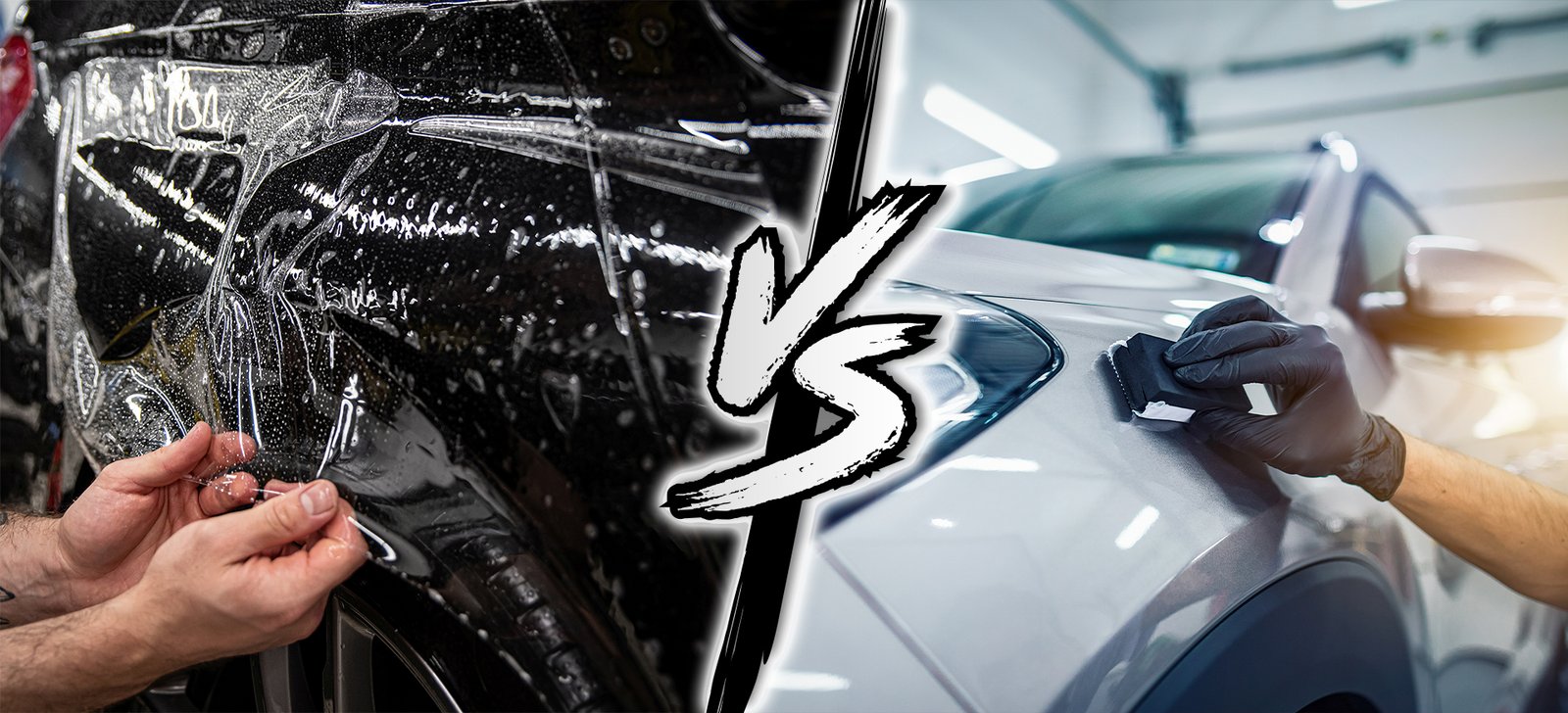
Modern vehicles are designed to look impressive, but maintaining that appearance can be challenging. Everyday driving exposes automotive paint to road debris, gravel, insects, tree sap, bird droppings, harsh weather, and minor scratches. Even careful drivers can eventually notice chips, swirl marks, and surface imperfections. This is where PPF film has become an increasingly valuable solution. Designed to create a transparent protective barrier over painted surfaces, modern paint protection film combines durability, optical clarity, and advanced technology to help preserve a vehicle’s original finish.
Understanding PPF Film
PPF film, commonly known as paint protection film, is a thin, transparent layer applied to selected exterior areas of a vehicle. Its primary purpose is to protect factory paint from physical and environmental damage without significantly changing the vehicle’s original appearance.
Traditional protective approaches often focused on waxes, sealants, or ceramic coatings. While these products can provide valuable chemical and environmental protection, they generally do not provide the same physical barrier against stone impacts and minor abrasions. PPF film addresses this limitation by placing a resilient material directly between the vehicle’s paint and many everyday hazards.
Modern versions are commonly engineered from advanced polyurethane materials. Their flexibility allows them to follow complex body contours while maintaining a smooth appearance. High-quality films are also designed to resist yellowing, staining, and degradation when exposed to sunlight and changing weather conditions.
Why Vehicle Owners Are Choosing PPF Film
One of the biggest advantages of PPF film is its ability to help reduce visible damage caused by road debris. The front bumper, hood, fenders, mirrors, and rocker panels are particularly vulnerable because they frequently encounter stones and other particles while driving.
A quality film can absorb and distribute some of the force from minor impacts, helping reduce the likelihood of paint chips and scratches. This can be especially useful for new vehicles, luxury automobiles, sports cars, and vehicles with expensive or difficult-to-match factory finishes.
Beyond physical protection, PPF film can also simplify vehicle maintenance. Certain advanced films have smooth surfaces that make it more difficult for contaminants to adhere strongly. Dirt, insects, and other road residue may therefore be easier to remove during routine washing.
The Evolution of Paint Protection Technology
Earlier generations of paint protection film were sometimes criticized for limited appearance, noticeable edges, or changes in surface clarity. Technology has advanced significantly since then. Newer films focus on improved transparency, flexibility, surface performance, and installation precision.
One important development is the use of self-healing surface technology. Some modern films are engineered so that minor surface marks can diminish when exposed to suitable levels of heat. This does not mean that every scratch or impact disappears, but it can help maintain a cleaner-looking finish after everyday light abrasion.
Another advancement involves improved optical clarity. High-quality PPF film is designed to remain visually subtle once properly installed. Instead of covering the paint with an obvious layer, it can preserve the color, gloss, and overall character of the original finish.
PPF Film and Long-Term Vehicle Appearance
A vehicle’s paint contributes significantly to its overall visual appeal and perceived condition. Once factory paint is damaged, restoring it may require polishing, touch-up work, repainting, or more extensive bodywork. Preventing damage in the first place can therefore be a more attractive strategy for many owners.
PPF film provides a proactive approach. Rather than waiting for chips and scratches to appear, vehicle owners can protect high-risk areas before damage occurs. This approach can be particularly beneficial for people who frequently drive on highways, rural roads, construction-heavy routes, or areas where loose gravel is common.
Protection can also be customized. Some owners choose partial coverage for the front end, while others prefer extensive coverage across most painted exterior surfaces. The right approach depends on driving habits, budget, vehicle type, and the owner’s priorities.
PPF Film Compared With Other Paint Protection Options
There is no single automotive protection product that performs every function. Wax and synthetic sealants can enhance gloss and provide a degree of environmental protection, but they generally offer limited resistance to physical impact. Ceramic coatings can create hydrophobic surfaces and make cleaning easier, but they are not intended to function as a thick impact-resistant barrier.
PPF film occupies a different position because it provides a physical layer over the paint. Some vehicle owners combine PPF with other detailing technologies to achieve broader protection. For example, a film may provide impact protection while a compatible coating or maintenance product helps improve water behavior and surface cleanliness.
The most suitable combination depends on the vehicle and the intended use. Professional advice can help determine which areas need the greatest protection and which products can safely be used together.
Choosing the Right PPF Film
Not all films are identical. When selecting PPF film, buyers should consider factors such as material quality, thickness, optical clarity, durability, warranty coverage, stain resistance, and surface technology.
Installation quality is equally important. Even an excellent film can produce disappointing results when improperly fitted. Experienced installers understand how to prepare the paint, position the material, manage complex curves, minimize visible edges, and avoid contamination beneath the film.
Before installation, the vehicle should generally be thoroughly cleaned and prepared. In some situations, paint correction may also be considered so that existing imperfections are addressed before the protective layer is applied.
The Importance of Professional Installation
Applying PPF film requires precision. Automotive panels contain curves, corners, recesses, body lines, and other details that can make installation complicated. Professional installers use specialized techniques and tools to achieve consistent results.
A well-installed film should appear clean and integrated with the vehicle’s design. Poor installation can result in visible edges, trapped contaminants, wrinkles, lifting, or inconsistent coverage.
Professional installation also allows vehicle owners to discuss coverage priorities. High-impact areas can receive greater attention, while less vulnerable surfaces may be left uncovered when appropriate.
Maintenance After Installation
PPF film does not eliminate the need for regular vehicle care. Owners should continue washing the vehicle using appropriate cleaning methods and products. Harsh chemicals, aggressive scrubbing, or unsuitable tools may negatively affect the film or its surface properties.
Routine inspection can also help identify potential problems early. If an edge begins lifting or contamination becomes trapped beneath the film, addressing the issue promptly can prevent further complications.
The exact maintenance requirements vary according to the specific product and manufacturer recommendations, so following the supplied care instructions is important.
The Next Generation of Vehicle Protection
The future of PPF film is likely to focus on even better clarity, durability, surface performance, installation efficiency, and customization. As automotive finishes become more sophisticated and consumers place greater value on maintaining factory appearance, demand for advanced protective solutions is expected to continue.
Future films may offer increasingly refined self-healing properties, improved resistance to staining and environmental exposure, and installation systems that reduce labor while improving precision. Digital pattern-cutting technology is also helping installers achieve more accurate panel coverage without unnecessary trimming directly on the vehicle.
These developments demonstrate how paint protection is moving from basic surface covering toward a more sophisticated vehicle-care technology.
Preserving the Investment in Your Vehicle
A vehicle is more than transportation for many owners. It can represent a significant financial investment, personal style, or a long-term ownership commitment. Protecting the exterior can help preserve its appearance and potentially reduce the need for cosmetic repairs.
PPF film offers a practical way to place an additional protective barrier between vulnerable paintwork and everyday driving conditions. Its combination of impact resistance, transparency, flexibility, and modern surface technology makes it an important option in contemporary automotive detailing.
As materials and installation techniques continue to improve, PPF film is becoming increasingly sophisticated. For drivers who want to maintain a vehicle’s original appearance while reducing exposure to common road damage, advanced paint protection film represents a forward-looking approach to exterior care.