Working at height presents one of the most significant hazards in many industries, including construction, maintenance, roofing, and industrial operations. Even a minor slip can result in serious injury or fatality if proper safety measures are not in place. One of the most effective tools for mitigating this risk is the energy absorber lanyard, a key component of modern fall protection systems. Understanding what an energy absorber lanyard is and how it functions is essential for employers, safety professionals, and workers who rely on it daily to ensure workplace safety.
Understanding the Concept of an Energy Absorber Lanyard
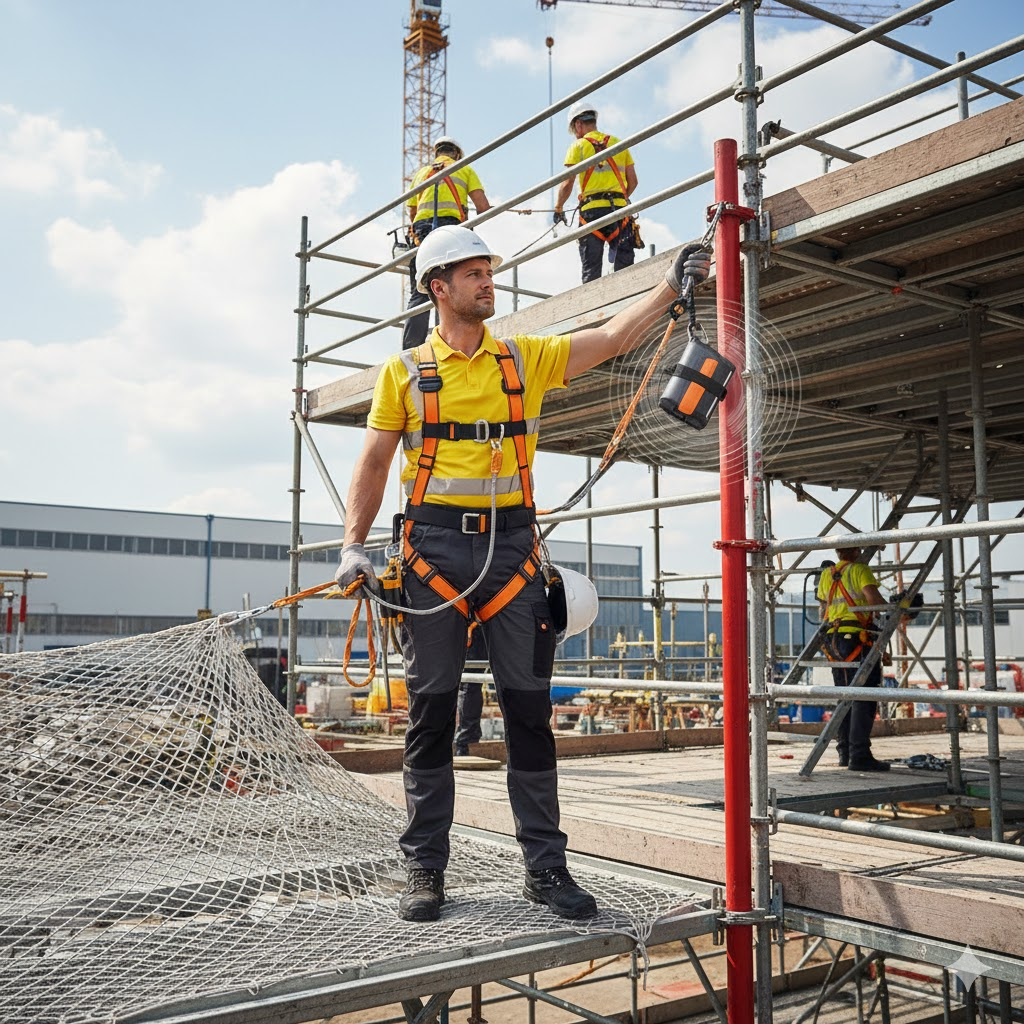
An energy absorber lanyard is a specially designed piece of safety equipment used to protect individuals from the impact forces generated during a fall. Unlike a standard lanyard, which may simply connect a worker’s harness to an anchor point, an energy absorber lanyard incorporates a built-in mechanism to reduce the shock load experienced by the user in the event of a fall. This is typically achieved through webbing that tears gradually or a specialized shock-absorbing component, which dissipates the energy created when a fall occurs.
The primary purpose of the energy absorber lanyard is not only to stop the fall but also to minimize the forces exerted on the worker’s body. Excessive impact forces can cause severe injuries, including spinal trauma, fractures, or internal damage. By controlling and reducing these forces, the energy absorber lanyard ensures a safer arrest of the fall, protecting the worker and allowing for a more controlled descent.
Key Components and Design Features
Modern energy absorber lanyards are engineered with a combination of materials and components that enhance both safety and usability. The lanyard itself is typically constructed from high-strength webbing materials such as polyester, polyamide, or aramid fibers. These materials are selected for their durability, resistance to wear, and ability to maintain strength under dynamic loads.
The energy absorber component is a crucial element, usually integrated within a pouch or sewn into the lanyard itself. It functions by elongating or tearing in a controlled manner when a fall occurs, absorbing the kinetic energy and reducing the peak impact forces transmitted to the worker. High-quality lanyards often come with hooks, carabiners, or snap hooks that comply with stringent safety standards, providing secure attachment points for harnesses and anchor systems.
How Energy Absorber Lanyards Protect Workers
The effectiveness of an energy absorber lanyard lies in its ability to manage and distribute forces safely. When a fall occurs, the kinetic energy generated can be significant, and if unmitigated, it can cause serious injury. The energy absorber component stretches or deploys gradually, dissipating the energy over a slightly longer period. This reduces the immediate load on the worker’s body, making the arrest of the fall smoother and safer.
In addition to controlling impact forces, energy absorber lanyards often help maintain proper positioning. Workers connected to a reliable lanyard remain tethered to a secure anchor point, preventing uncontrolled swings or falls from dangerous angles. This controlled fall protection is essential, particularly in environments with multiple hazards or obstacles, as it minimizes the risk of secondary injuries.
Applications Across Industries
Energy absorber lanyards are widely used in industries where working at height is routine. Construction sites, scaffolding operations, and roofing projects are among the most common settings. In industrial maintenance, workers operating on elevated platforms or machinery rely on lanyards to ensure safety during inspections or repairs. Even arborists and utility workers use energy absorber lanyards when navigating trees, poles, or elevated structures.
By incorporating energy absorber lanyards into their safety programs, businesses create a multi-layered fall protection strategy. The lanyard works in conjunction with a harness, anchor points, and other protective systems to deliver comprehensive safety coverage, making it a vital component of modern workplace protection.
Compliance and Safety Standards
High-quality energy absorber lanyards comply with international safety standards, such as EN 355 in Europe, which governs the design, performance, and testing of energy-absorbing components. Compliance ensures that the lanyard has undergone rigorous testing to perform effectively under real-world conditions. For businesses, this not only protects employees but also demonstrates adherence to regulatory requirements, helping avoid penalties and reinforcing a culture of safety.
Training and Proper Use
Even the best energy absorber lanyard cannot provide protection if used incorrectly. Proper training is essential to ensure workers understand how to attach the lanyard to a harness and anchor point, inspect it for wear or damage, and recognize the correct deployment in case of a fall. Regular inspection and maintenance of lanyards are also critical to ensure ongoing reliability and effectiveness.
Conclusion
An energy absorber lanyard is more than just a piece of safety equipment; it is a critical component of any fall protection system that safeguards workers operating at height. By absorbing and dissipating fall forces, maintaining positioning, and providing secure attachment, these lanyards reduce the risk of severe injuries and fatalities. When combined with proper training, inspection, and complementary fall protection gear, energy absorber lanyards create a safer, more confident working environment. Investing in high-quality, certified lanyards ensures that workers are protected, operations remain compliant, and workplaces maintain the highest safety standards.